Poodle Not Eating: Picky or Ill? How to Tell the Difference
By The Poodle Guide editorial team · Updated on November 9, 2026
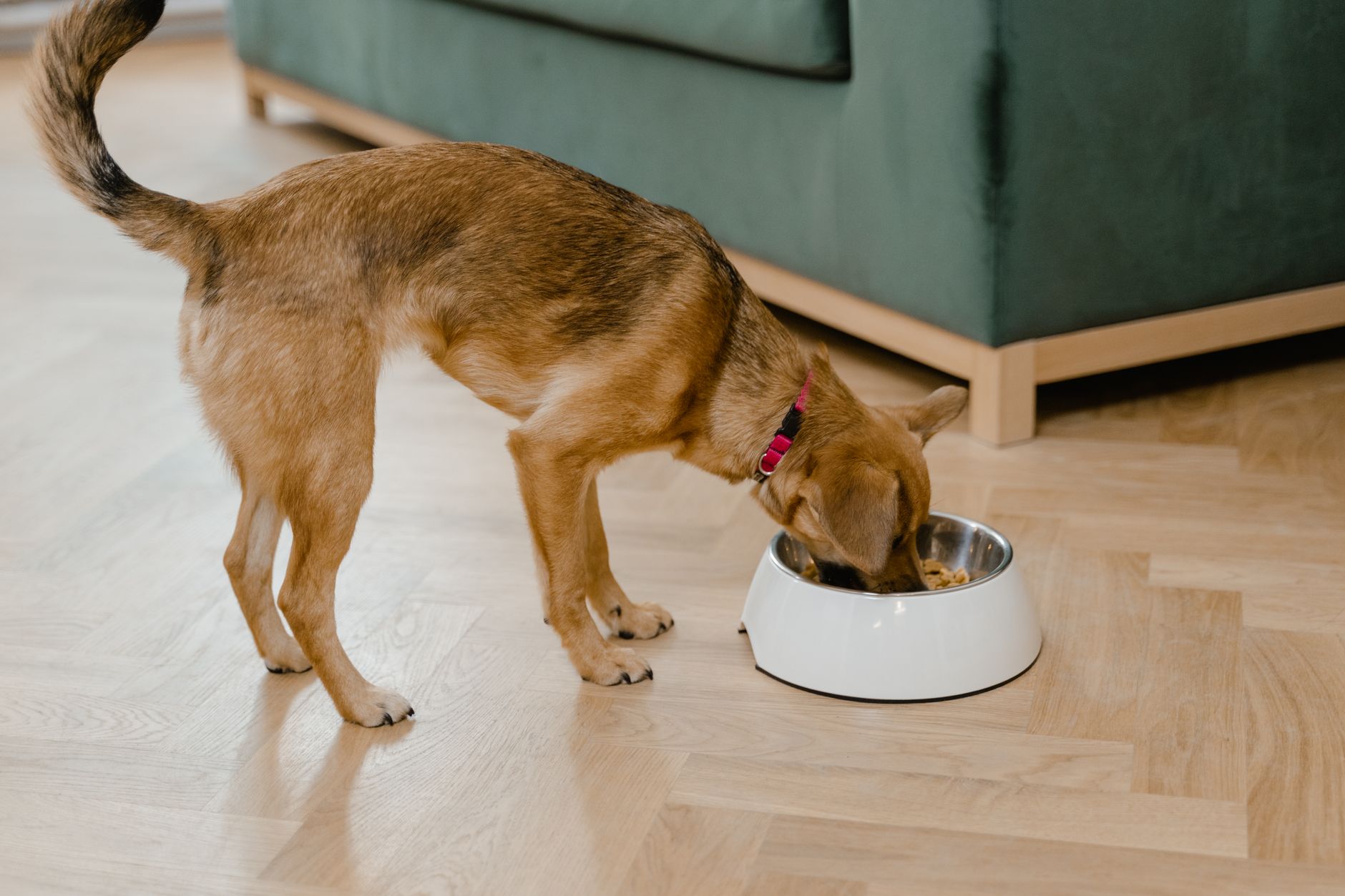
You put the bowl down, your Poodle sniffs it and walks away. In one dog that is a phase, in another it is the first sign that something is wrong. This guide is written mainly with Toy and Miniature Poodles in mind, because a small body has very little in reserve, and two of the points below (dental disease and low blood sugar in puppies) are specific to toy breeds. A Standard Poodle that skips a meal is usually less urgent, but the same warning signs apply. For what belongs in the bowl in the first place, see what Poodles should not eat.
First question: is it new?
The most useful distinction is not how much your dog eats but whether something has changed. A Poodle who has always been a dawdler, plays normally and keeps his weight is probably just fussy. A dog who always cleaned his bowl and now leaves it deserves attention. A sudden change in eating habits is a reason to phone the vet even if you cannot see anything else wrong.
Won't eat, or can't?
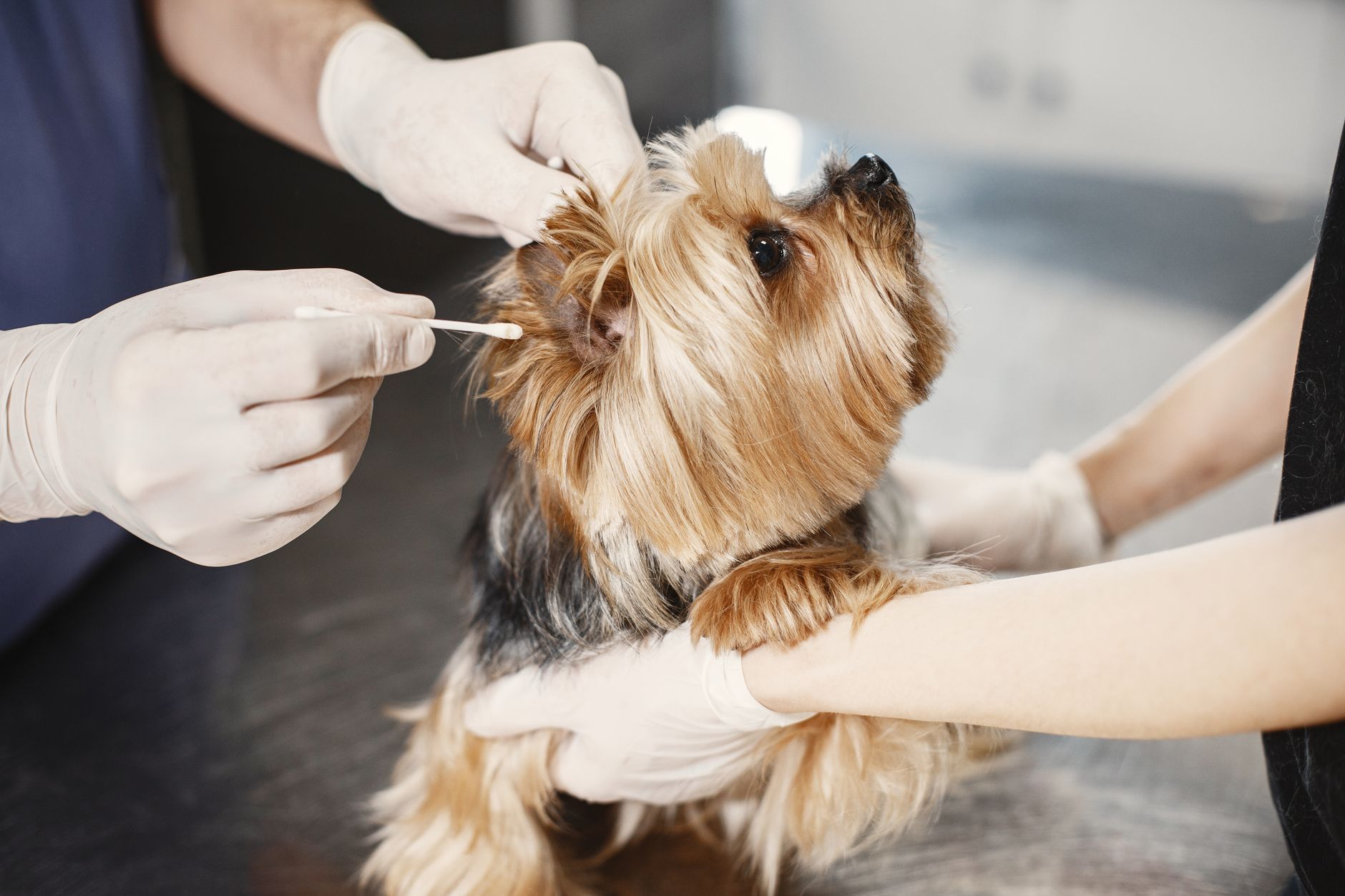
Vets separate the dog who has no appetite from the dog who wants to eat but cannot manage it. The second dog walks to the bowl, picks up a piece of kibble, drops it, or chews carefully on one side. That usually points to the mouth: inflamed gums, loose teeth, an infected tooth or a sore jaw. The PDSA lists mouth pain, such as struggling to eat or chewing on one side, among the signs to watch for.
For toy dogs this is not a theoretical point. Researchers at the Royal Veterinary College (VetCompass) studied the records of 22,333 dogs at UK practices. Of all the breeds they looked at, the Toy Poodle had the highest odds of periodontal disease: 3.97 times those of crossbreeds, and about 26 per cent of Toy Poodles were affected in a single year. Miniature and larger Poodles were not the focus of that finding, so treat it as a toy-size warning rather than a rule for every Poodle. Lift the lip and look: red gums, tartar, bad breath or a wobbly tooth are clues. Our guide to Poodle dental care covers keeping teeth healthy, and in a puppy of roughly three to seven months, teething can make eating awkward for a while.
When to call the vet
- Puppy who skips a meal and is dull, shaky or cold: phone straight away.
- Adult dog who has eaten nothing for more than 24 hours: see a vet quickly. The PDSA gives exactly this threshold.
- Not eating plus vomiting, diarrhoea, lethargy or refusing water: do not wait for the 24 hours to pass.
- Wants to eat but cannot: have the mouth and teeth checked.
- Slowly eating less and losing weight: book an appointment even if he seems fine.
Poor appetite is a vague sign that goes with many conditions, from a stomach bug to kidney or liver trouble and rarer problems such as Addison's disease, so this is not something to diagnose yourself. If you are unsure how serious it is, our health check is a sensible first guide.
With a toy puppy, never wait and see
Very young puppies of toy breeds, especially under three months, can develop low blood sugar (juvenile hypoglycaemia) if they miss a meal. Stress, cold, a busy day or worms can bring it on. The signs are dullness, trembling, wobbling, going limp and, in severe cases, a seizure. A puppy with low blood sugar often refuses food too, which makes it worse.
If the puppy is conscious and can swallow, rub a little honey or syrup on his gums, keep him warm and go to the vet at once. The sweet stuff is a bridge, not a cure. If he is unconscious or fitting, put nothing in his mouth. Our guide to the first nights with a Poodle puppy covers how to avoid this in the early days.
Picky but healthy: how to break the habit
If the vet finds nothing, or your dog has always been difficult, the cause is usually habit. Poodles are clever enough to learn quickly that a full bowl left untouched earns something better: a bit of chicken, a treat, a mouthful from your plate.
- Fixed times. Two or three meals at set times, with no bowl left out all day. This builds a rhythm and shows you straight away when he eats less.
- Lift it after 15 to 20 minutes. Take away whatever is left and offer nothing else until the next meal. This does not apply to a young puppy at risk of low blood sugar.
- Fewer extras. The World Small Animal Veterinary Association (WSAVA) guideline is that treats should make up no more than 10 per cent of daily calories. For a dog of three kilos that is very little, and training treats count.
- No food-hopping. Trying a new brand every week teaches him that refusing pays. If you do change food, do it gradually over 7 to 10 days, mixing new with old.
- Peace at the bowl. A quiet spot, with no other pet watching. A lick mat spread with wet food can turn a quick, bored meal into an activity.
Table scraps are not the answer, as many are unsuitable or toxic.
Temporary dips that are normal
Many dogs eat less in hot weather, after a house move, a stay with friends or a night of fireworks. An older dog sometimes eats less because he moves less. That is no cause for panic as long as he is otherwise bright, drinking and back to normal within a few days. See Poodles in hot weather and senior Poodle care.
Do keep an eye on weight. In a three-kilo dog, half a kilo is about 15 per cent, and under a full coat you will not see it. Weigh him weekly on kitchen or baby scales, or weigh yourself with and without him, and read our guide to a healthy Poodle weight. For the wider picture of what to watch in the smallest size, see the Toy Poodle health overview.
In short
- A sudden change in eating matters more than how much he eats.
- Wants to, can't: think teeth, especially in toy dogs.
- Adult dog with nothing eaten for over 24 hours: see the vet quickly, sooner with other signs.
- Toy puppy that stops eating and goes limp or shaky: honey on the gums and straight to the vet.
- Fussy but healthy: fixed times, lift the bowl after 15 to 20 minutes, treats under 10 per cent.