Poodle Dental Care: Brushing Teeth the Right Way
By The Poodle Guide editorial team · Updated on July 24, 2026
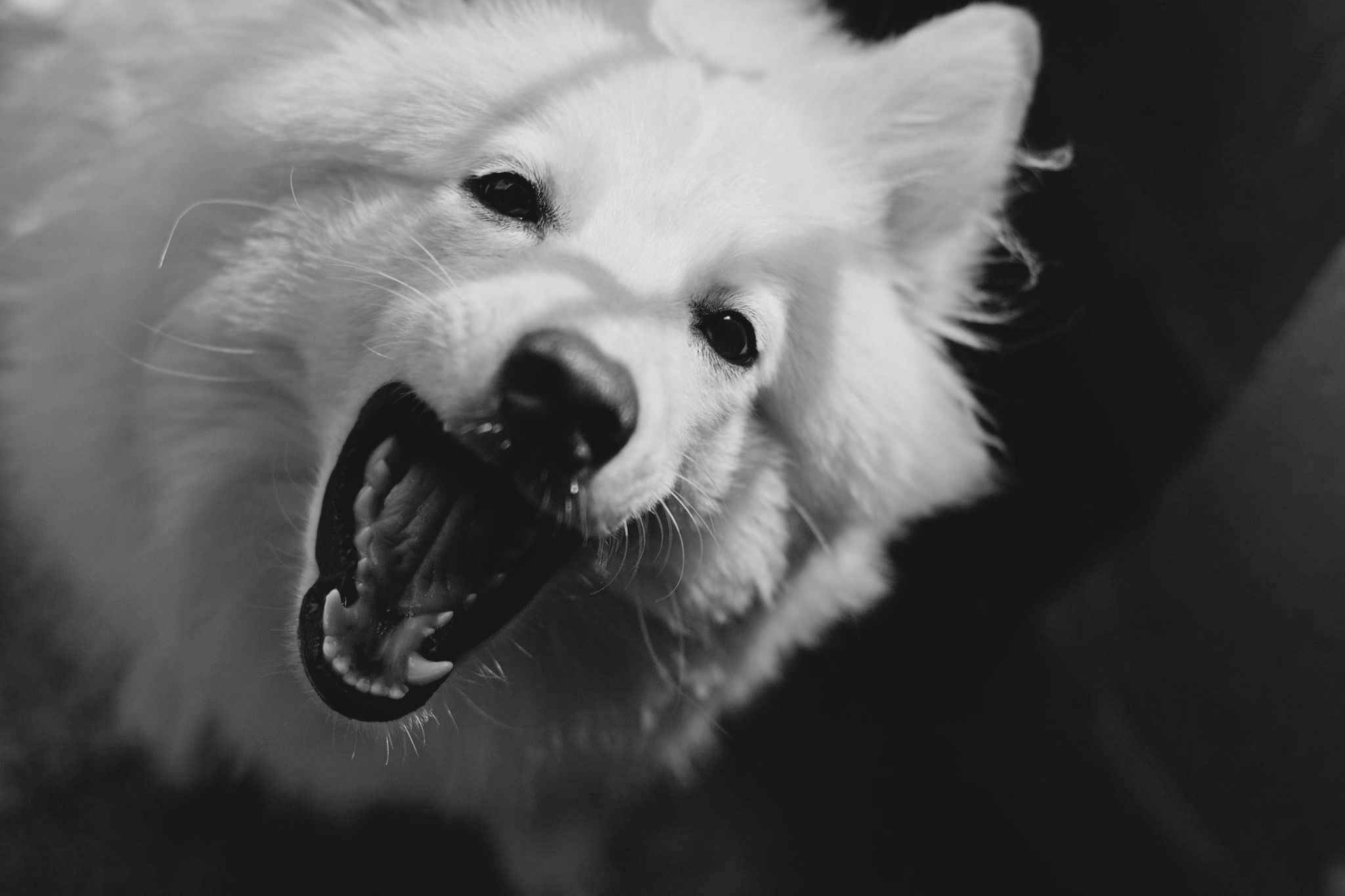
Poodle dental care is the most underrated health habit in this breed, and for the small sizes it is arguably the most important one after weight control. Dental disease is among the most common medical problems in adult dogs, small breeds are hit hardest, and a Toy or Miniature Poodle can live 14-16 years: that is a lot of years for neglected teeth to cause pain, infections and vet bills. The good news is that the single best remedy costs a minute a day. Here is why Poodle teeth deserve special attention, how to teach brushing step by step, and what belongs in the supporting cast.
Why Poodles, especially small ones, get dental trouble
Every dog has 42 adult teeth. A Standard Poodle houses them in a long, roomy muzzle; a Toy Poodle squeezes that same set into a jaw a fraction of the size. The result in the smaller sizes is a compact, crowded bite where plaque settles into tight spaces that chewing never cleans naturally. Plaque mineralizes into tartar within days, tartar irritates the gums, and untreated gum inflammation gradually attacks the tissues holding the teeth, ending in loose teeth, chronic pain and infections. Worse still, that constant inflammation does not stay in the mouth: it burdens the whole body over time.
This is exactly why dental problems rank among the classic Toy Poodle health issues. Standard and Medium Poodles have it easier anatomically, but "easier" is not "immune": every Poodle benefits from the same routine. And at every size, teeth become the weak point in the senior years, which is when a lifetime of brushing (or not brushing) shows.
Teaching your Poodle to accept brushing, step by step
Poodles are quick studies: the breed ranks second in Stanley Coren's working intelligence ranking, and that works in your favor here. Take a week or two, keep sessions under a minute, and pair every step with praise or a treat:
- Step 1: taste the toothpaste. Let your Poodle lick a dab of dog toothpaste off your finger. That's the whole session. Repeat a few days until the paste itself is the reward.
- Step 2: finger on the teeth. Lift the lip gently and rub a pasted finger (or a finger brush) along the outside of a few teeth. Short, calm, done.
- Step 3: introduce the brush. Swap the finger for a soft dog toothbrush: for Toys and Miniatures, a small-breed or even puppy brush fits the little mouth far better. Start with the canines, the easiest teeth to reach.
- Step 4: work up to the full outside. The outer surfaces along the gumline are where plaque does its damage; the tongue side largely takes care of itself. Focus on the back molars and the canines: the classic problem spots.
- Step 5: make it routine. Same moment every day, for example after the evening walk. A settled routine takes about a minute.
One non-negotiable: never use human toothpaste. Many contain xylitol, a sweetener that is dangerously toxic to dogs, plus fluoride amounts meant for rinsing and spitting, which dogs cannot do. Dog toothpaste is designed to be swallowed and usually tastes of poultry or malt, which honestly does half the training for you.
How often is enough?
Daily brushing is the gold standard, because plaque needs only a few days to harden into tartar you can no longer brush away. If life gets in the way, three times a week is the sensible minimum at which brushing still pays off. Once tartar has formed, visible as brown-yellow deposits along the gumline, no toothbrush will remove it; that is a job for the vet.
Chews, dental sticks and other helpers: supplement, not substitute
Chewing has real mechanical value, and appropriate chew toys or dental chews can support clean teeth between brushes. Keep three things in mind. First, nothing replaces the brush: a dental stick a day on its own will not keep a crowded Toy Poodle bite healthy. Second, size the chew to the dog: a Toy needs small, relatively soft options, while very hard items (antlers, bones) can fracture teeth in any size, and cooked bones also splinter and are dangerous outright. Third, count the calories: dental chews are food, and on a small Poodle the calories add up fast, so take them out of the daily ration.
Water additives and dental diets exist as well; some help a little, none brush teeth. Think of the toothbrush as the engine and everything else as trim.
When the vet needs to take over
Check the mouth briefly every week: it takes ten seconds during a cuddle and fits neatly into a regular home health check. Contact your vet if you notice:
- Persistent bad breath, not "dog breath is normal"; a truly smelly mouth usually means inflammation.
- Red, swollen or bleeding gums.
- Brown tartar deposits along the gumline.
- Loose, broken or discolored teeth.
- Reluctance to chew, dropping food, pawing at the mouth or suddenly avoiding hard kibble.
The standard treatment is a professional cleaning under anesthesia, where the vet removes tartar above and below the gumline and assesses every tooth. Understandably, owners of small dogs worry about anesthesia: discuss those concerns openly with your vet, because modern protocols manage the risk well and chronic dental infection is by far the greater danger to a small, long-lived dog. Many small Poodles need a professional cleaning at some point in their lives; consistent brushing pushes that moment years further away and makes each cleaning less drastic.
Finally, make the yearly vet visit a dental visit too: a quick look in the mouth is standard at a good check-up, and from the senior years onward, twice a year. Your groomer sees the mouth up close every 6-8-week grooming session as well, and if they mention bad breath or brown teeth, take it seriously.
In short
- Small Poodles pack 42 teeth into a tiny jaw: crowding means faster plaque, tartar and gum disease.
- Brush daily, or at least three times a week, with dog toothpaste only; human toothpaste contains toxic xylitol.
- Teach brushing in small positive steps: paste, finger, brush, routine. Poodles learn this fast.
- Chews and dental sticks are useful extras, never a replacement, and their calories count.
- Bad breath, red gums or loose teeth are vet matters; professional cleaning removes what brushing no longer can.