Poodle Brain Games: 10 Ways to Tire Out a Clever Dog
By The Poodle Guide editorial team · Updated on July 24, 2026
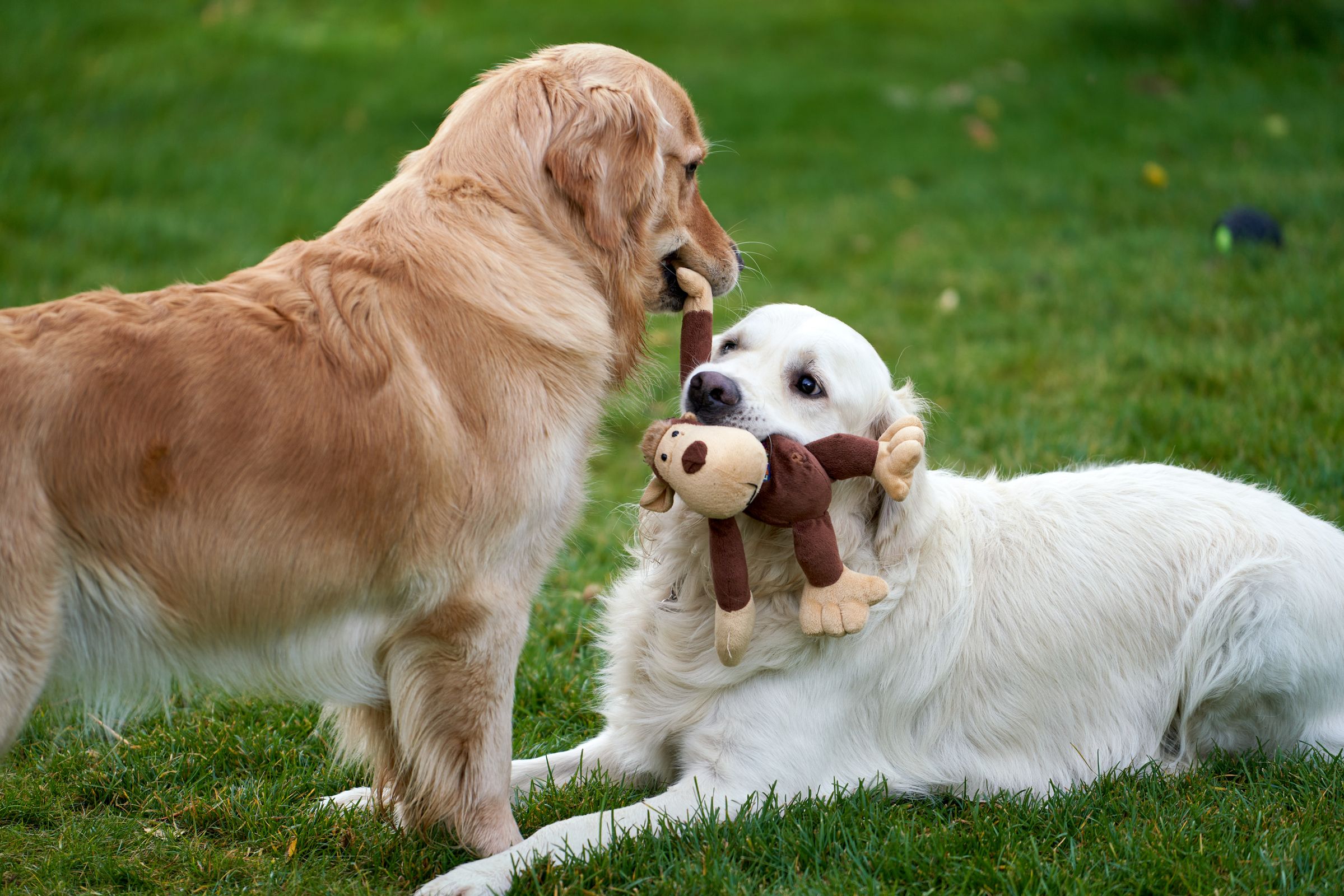
Poodle brain games are not a luxury extra: for the second most intelligent dog breed, mental work is a genuine need, like food and exercise. A Poodle that never gets to use its brain invents its own entertainment, and you will rarely like the result: barking, shredding, shadowing you through the house. The fix is cheap and fun. Ten to fifteen minutes of concentrated brain work tires a Poodle roughly as much as an hour of running, and most of the best games cost nothing. Here are ten, ordered from beginner-friendly to genuinely challenging, and they work for every size from Toy to Standard.
Why brain games matter more for Poodles than for most breeds
Stanley Coren's well-known ranking places the Poodle second among all breeds in working intelligence: new commands typically land in fewer than five repetitions. That learning speed is a joy in training and a liability in a boring living room. An under-stimulated Poodle does not switch off; it redirects. Much of what owners label "problem behavior," demand barking, destroyed cushions, restlessness in the evening, is an unemployed brain looking for a job. This applies across all four Poodle sizes: a Standard has more body to exercise, but a Toy's brain is every bit as hungry. And because mental work barely loads the joints, it is also the safest way to tire small dogs, puppies and seniors.
Games 1-4: free and ready in one minute
1. The towel snuffle roll
Lay a towel flat, scatter a handful of kibble over it, roll it up loosely. Your Poodle unrolls, noses and paws its way to every last piece. Harder version: fold the towel in stages or knot it once. This is the perfect first game: impossible to fail, entirely nose-driven.
2. The cup game
Place two or three cups upside down, hide a treat under one while your dog watches, and let it choose. Poodles learn astonishingly fast to indicate the right cup, then you start shuffling. Keep sessions short; this one is mentally intense.
3. Scatter feeding in grass
Toss part of the daily kibble into the lawn instead of a bowl. Ten minutes of dedicated sniffing follows. Sniffing lowers arousal: this is the game for busy, buzzy dogs that need to come down a notch, and a great decompression tool the evening before stressful events.
4. The which-hand game
Treat in one closed fist, both fists offered, dog indicates by nose-touch or paw. Reward from the correct hand only. Simple, but it teaches a crucial meta-skill: deliberate choice-making instead of frantic trying.
Games 5-7: household-object challenges
5. The muffin tin puzzle
Muffin tin, treats in a few of the hollows, tennis balls on top of all of them. Your Poodle must lift or nudge the balls to find the payers. For a Toy Poodle, use a mini muffin tin and lighter balls.
6. The box-in-a-box hunt
Cardboard boxes of descending size, treat in the smallest, loosely stacked inside each other with lids ajar. Escalate slowly: first one open box, weeks later a sealed-ish matryoshka. Supervise cardboard eaters.
7. The flower-pot shuffle
The cup game's big brother, outdoors: three or four plastic plant pots spread over a few meters, one baited. Send your dog to search on a cue like "find it." You are now doing scent discrimination: the entry ramp to real nosework.
Games 8-10: for when the basics are boringly easy
8. Learning toys by name
The signature Poodle party trick. Name one toy consistently ("Ball!") during play, then ask for it from a pile of two, then three, then more. Border Collies made this famous in research; Poodles are built for exactly this kind of vocabulary work. A breed this people-focused finds shared naming games deeply satisfying: you are not just tiring your dog, you are having a conversation.
9. The 101-things-to-do-with-a-box game
Shaping, straight from clicker training: put down a box, reward any interaction: a look, a step toward it, a paw in. No commands, no luring; the dog experiments, you mark what you like. This teaches your Poodle to offer behavior and think creatively, and it is mesmerizing to watch a clever dog work out the rules.
10. Puzzle feeders and snuffle mats
The bought-toy category, and worth the money: slide-and-flip puzzle boards in escalating levels, treat-dispensing balls, snuffle mats. Two rules. Buy the right scale: a Standard demolishes a toy-sized puzzle, a Toy cannot budge heavy sliders. And rotate: a puzzle available all day is furniture; the same puzzle appearing twice a week is an event.
How to build up without frustration
- Start below your dog's level. The first version of every game should be winnable in seconds. Confidence first, difficulty later.
- Keep sessions short: 5-15 minutes, one or two games. Stop while your Poodle still wants more.
- Always end on a success: drop back to an easy version for the final round if needed.
- Use the daily food ration for most games, so brain work does not become weight gain, a real concern in small dogs.
- Never correct during a game. Puzzling must stay 100% safe to try things in.
- Do not run three new games in one day. One new skill at a time beds in better, even for a five-repetition breed.
Brain games as a practical tool
Beyond fun, mental work solves real logistics. A solid puzzle session before you leave makes alone time dramatically easier: a mentally satisfied Poodle sleeps through your absence instead of patrolling it. Rainy week? Two indoor brain sessions replace the missed long walk with room to spare. Puppy that cannot yet handle long walks, or a senior whose joints protest? Sniffing and puzzling deliver tiredness with zero impact. And if your Poodle blazes through everything on this list and looks at you for more, take that seriously: structured dog sports are the logical next step for a dog with this much processor power.
In short
- Mental stimulation is a need for Poodles, not an extra: an unemployed brain becomes barking and destruction.
- 10-15 minutes of brain work tires roughly as much as an hour of running: ideal for Toys, puppies and seniors.
- Start free: towel rolls, cup games, scatter feeding, which-hand. Build to name-learning, shaping and puzzle feeders.
- Easy first, short sessions, end on success, feed from the daily ration.
- Still not tired? Consider a dog sport: Poodles excel there.