The Toy Poodle: The Smallest Poodle in Full
By The Poodle Guide editorial team · Updated on September 22, 2026
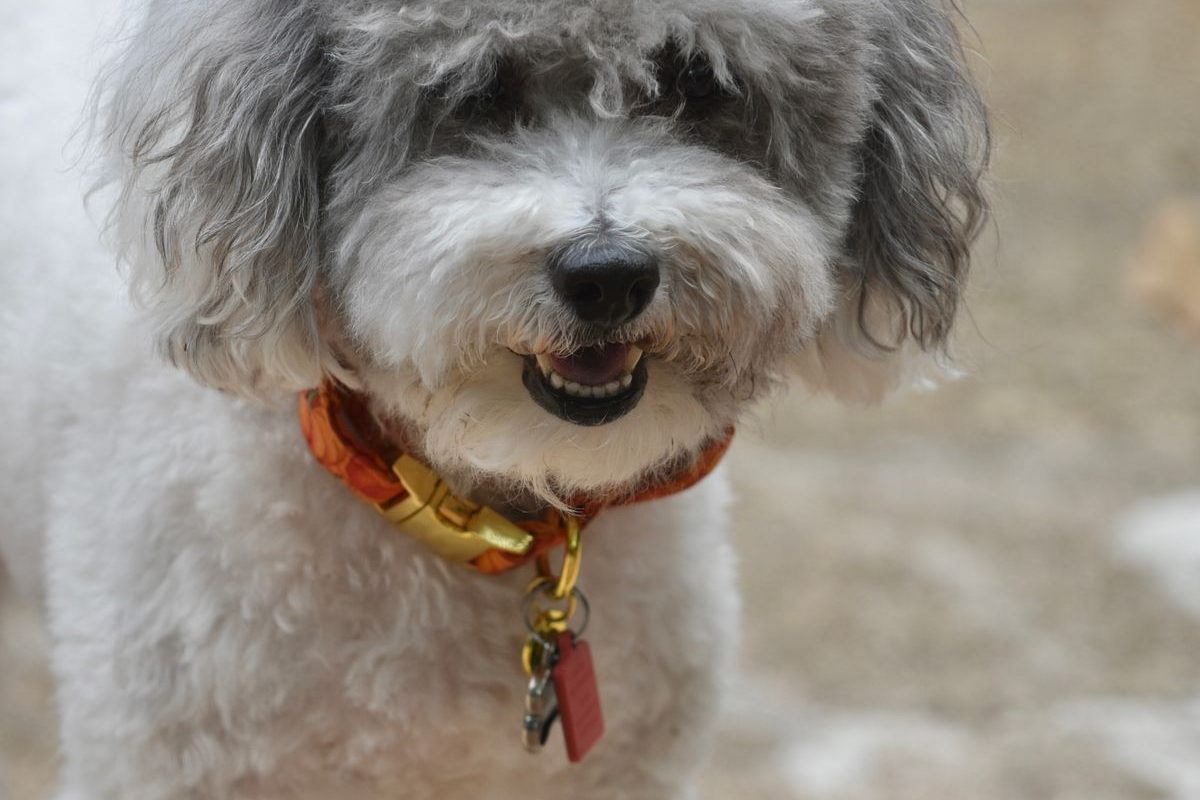
The Toy Poodle is the smallest of the four FCI Poodle sizes, and the one most often misjudged. Behind the cuddly exterior sits the same working-dog brain as in a Standard, packed into 24-28 cm. This hub is your starting point: the essentials of the size at a glance, and links to our full Toy Poodle guides on character, health, price and buying.
Key facts
- Shoulder height: 24-28 cm (9.5-11 in) under FCI rules; the AKC sets the Toy limit at 10 inches.
- Weight: roughly 2-4.5 kg (4.5-10 lbs).
- Life expectancy: 14-16 years on average, with outliers up to 18.
- Energy level: medium, but with a big need for mental challenge.
- Suited to: apartment dwellers, seniors, people who are home a lot or take their dog everywhere.
Temperament and energy
A Toy Poodle is as intelligent as any Poodle (among the top of all breeds, learning new commands in a handful of repetitions) and just as affectionate and people-focused. It's also the most watchful of the sizes: everything gets announced, and without early training that becomes real barking. The biggest behavior problems in Toys come not from the breed but from owners who treat them as plush toys; read our honest portrait of the Toy Poodle temperament before you decide.
Who the Toy Poodle is (and isn't) for
Ideal for smaller homes, for older owners who want a light, long-lived companion, and for anyone who can take their dog along through the day. Not a good fit if you're away full-time: being left alone is this breed's weakest skill and must be built up carefully, or if young children play rough in your house: at 2-4.5 kg a Toy is genuinely fragile. For the complete honest list, see the Toy Poodle's pros and cons.
Care and exercise
Two or three short walks a day plus play covers the physical side, but the mental side is non-negotiable: training, puzzle toys and games every day, or you get a restless, barky dog. The coat is identical to every other Poodle's (curly, non-shedding, always growing), so brush several times a week and book a full groom every 6-8 weeks. If you would rather do part of that yourself, clipping a Poodle at home walks you through the clippers, blade sizes and steps. Small bonus at this size: grooming is quicker and usually cheaper. One Toy-specific point: at this weight, cold and rain hit hard, so a coat in winter is practical rather than fashion.
Health at this size
The Toy is remarkably long-lived, but the miniature format has known weak spots: the knees (patellar luxation), the teeth (small jaws crowd quickly and need lifelong care), and sensitivity to cold. Eye conditions such as prcd-PRA occur across the breed, and the knee problem is explained step by step in patellar luxation in poodles. Our full guide to Toy Poodle health explains each issue, and this article covers why Toys live so long. The rule that matters most: buy only from a breeder who tests knees, eyes and prcd-PRA. And be crystal clear on one thing: the "teacup Poodle" does not exist as a recognized size. It's a sales pitch for dogs bred below healthy limits, and no reputable breeder offers one.
What does a Toy Poodle cost?
From a serious, health-testing breeder, expect a price broadly in the $1,000-3,000 range (roughly £800-2,500 / €1,000-3,000) depending on country, pedigree and color. Much cheaper "Toy Poodles" almost always come from puppy mills or importers: the full breakdown, including monthly and lifetime costs, is in our Toy Poodle price guide. Ready to start looking? Read what to check when buying a Toy Poodle first.
Toy vs. the other sizes
One step up, the Miniature Poodle offers the same character with a bit more sturdiness, often the better choice for families with children. The Medium and Standard are for progressively more active households. The full comparison, including how FCI, AKC and Kennel Club size rules differ, is in our Poodle sizes overview.
In short
- Smallest Poodle: 24-28 cm, 2-4.5 kg, and one of the longest-lived breeds at 14-16+ years.
- Full Poodle intelligence and affection in pocket format: treat it like the real dog it is.
- Points of attention: knees, teeth, cold sensitivity and being alone; "teacup" versions don't exist and should be avoided.
- Perfect for apartments and owners who are around a lot; from here, dive into our guides on character, health, price and buying.