Are Poodles Good With Kids? An Honest Family Guide by Size
By The Poodle Guide editorial team · Updated on July 24, 2026
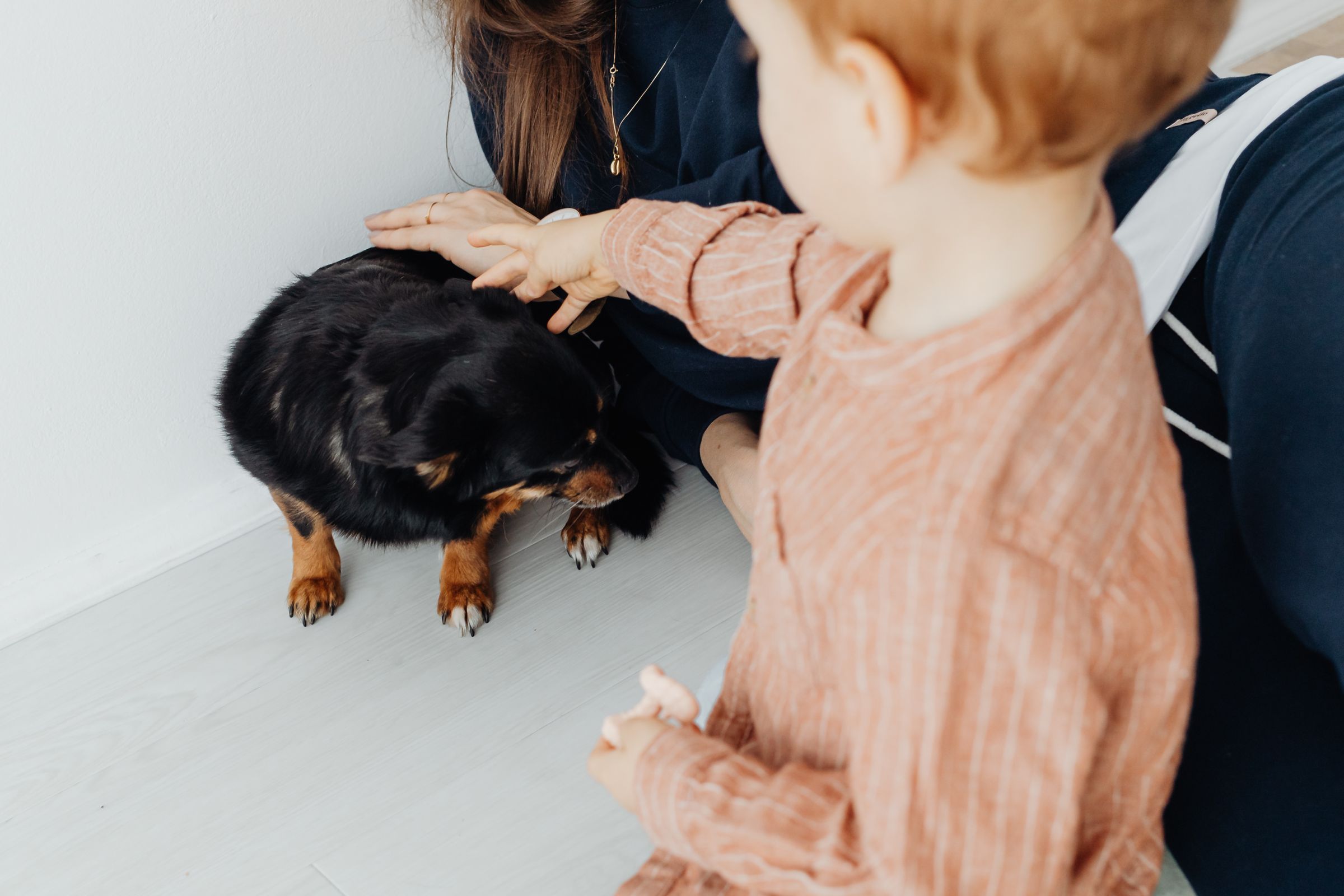
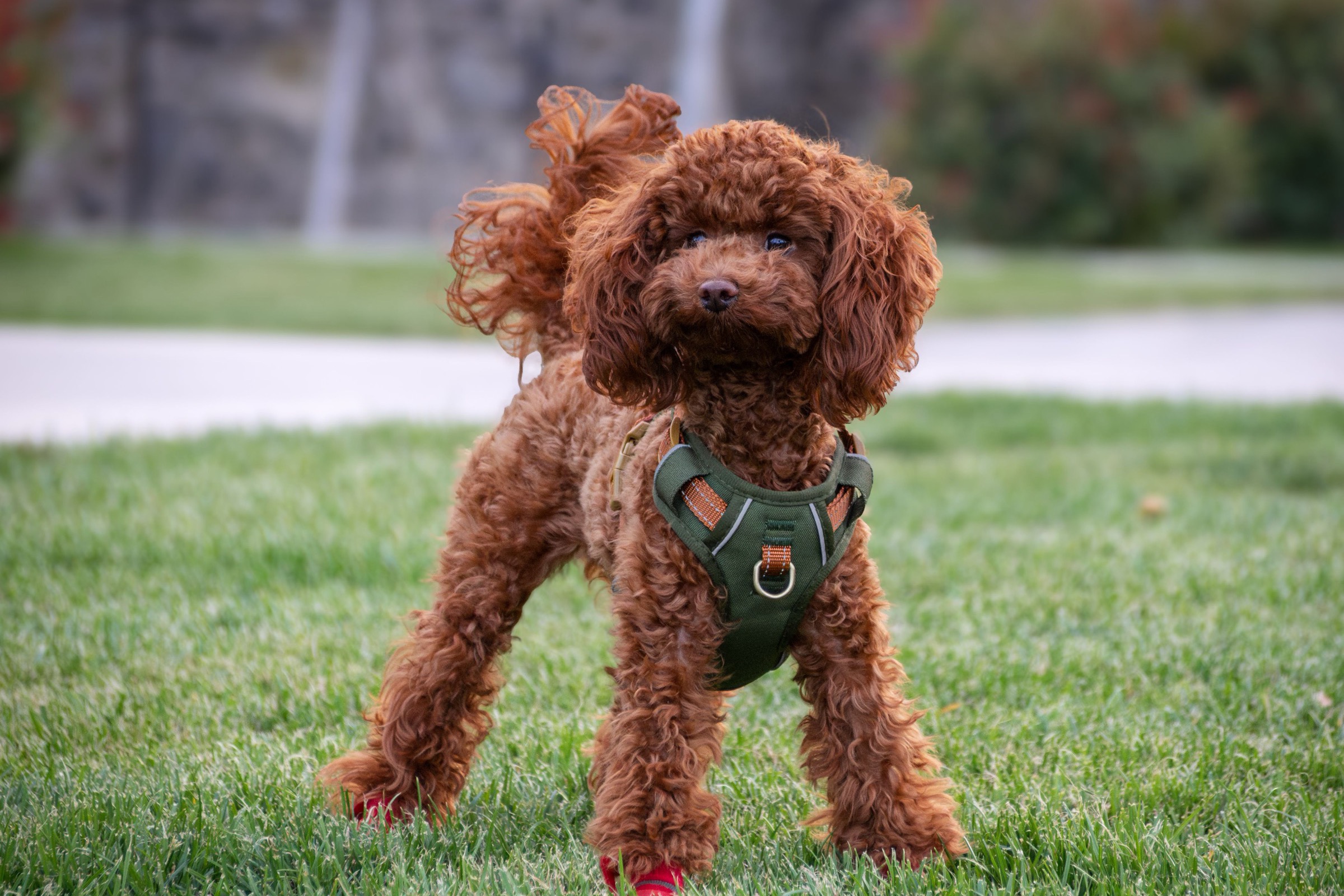
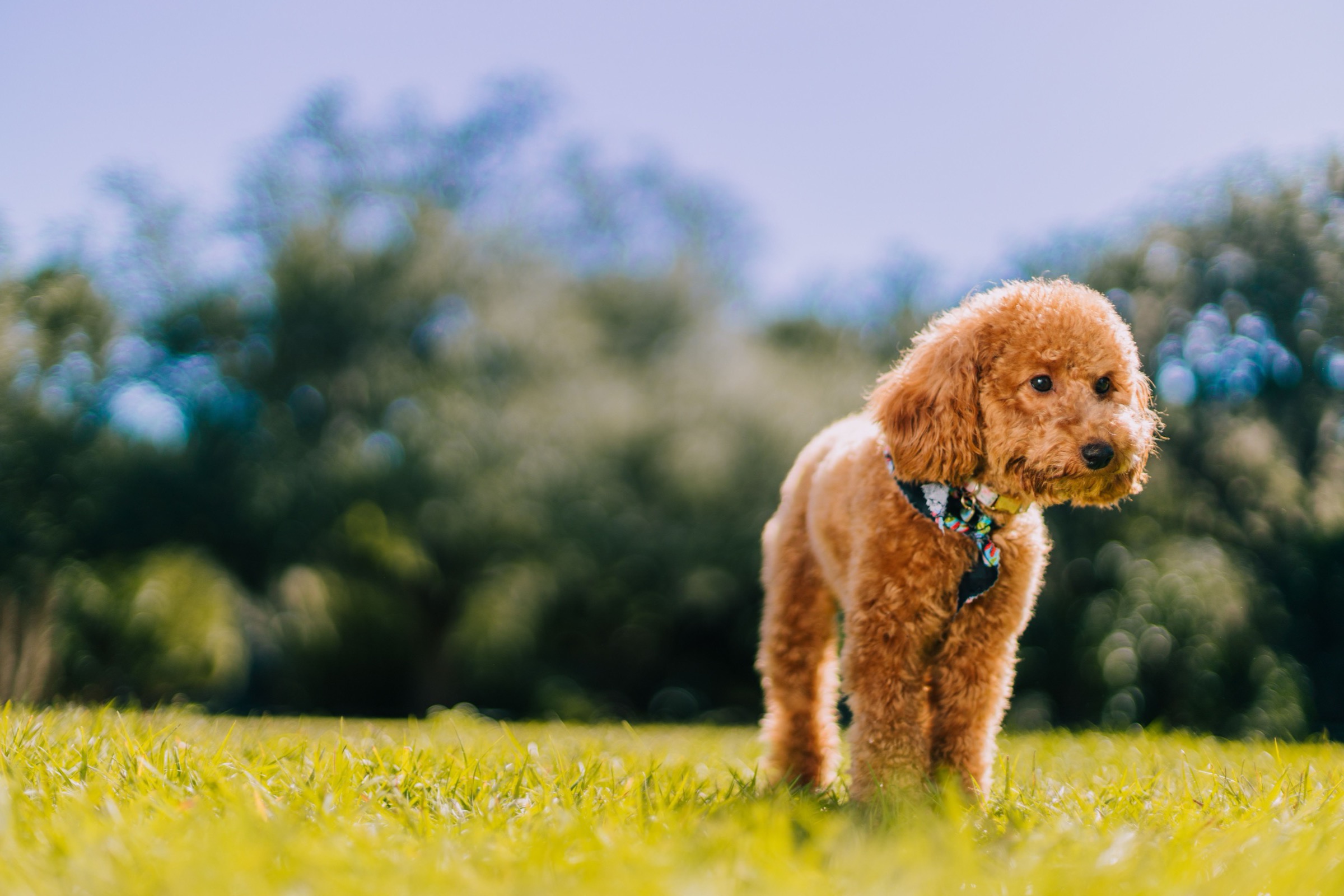
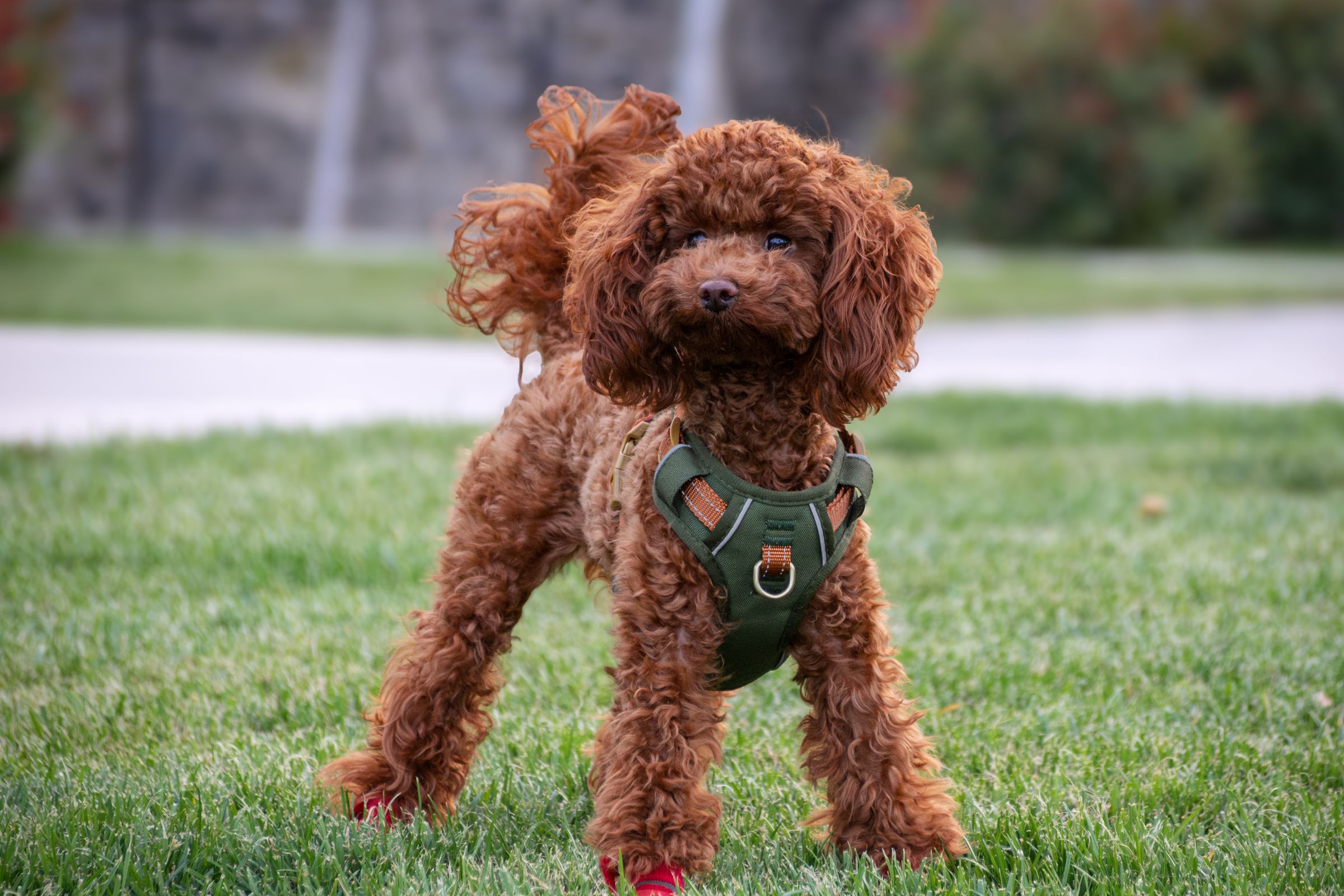
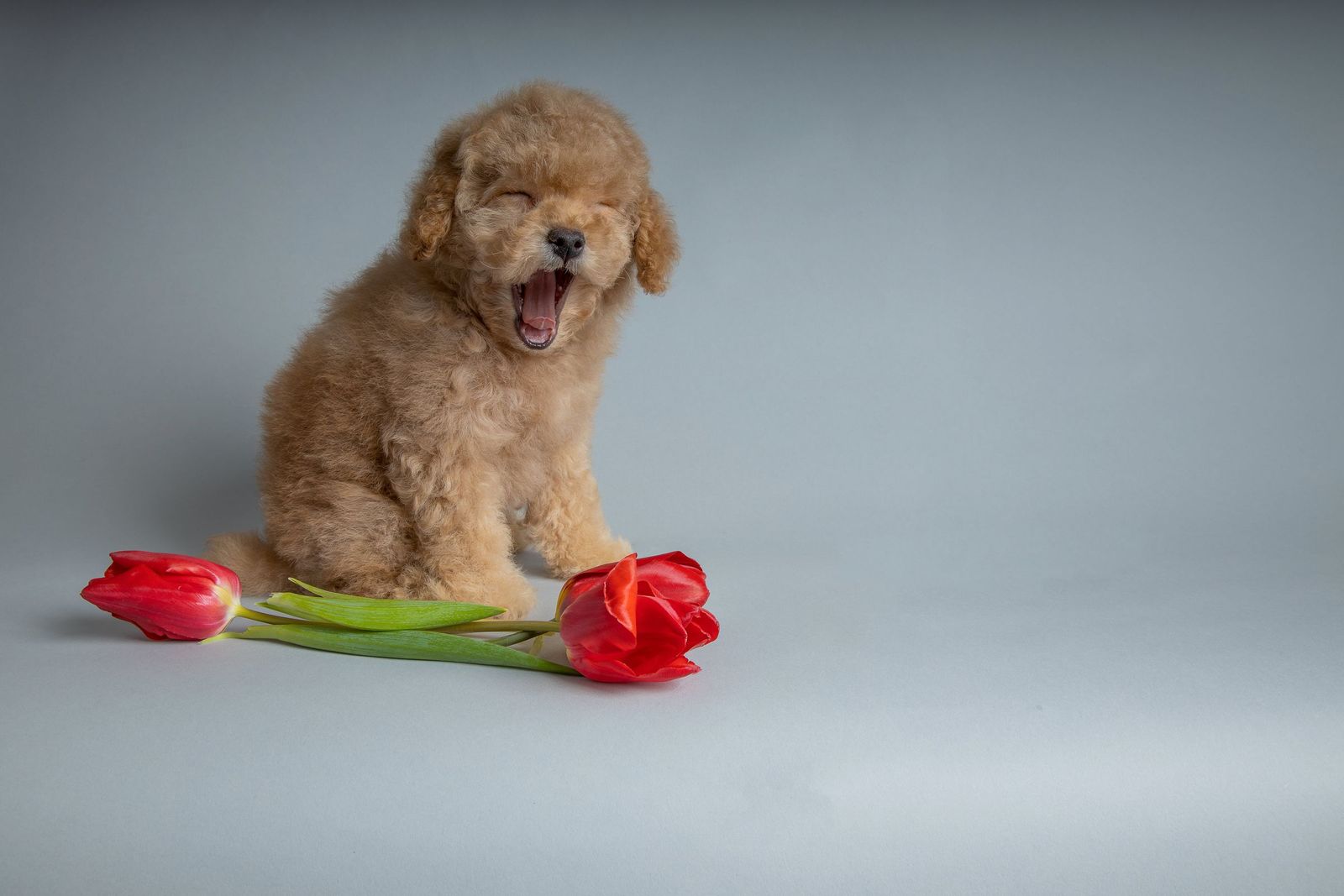
Are Poodles good with kids? On temperament: genuinely yes. The Poodle is gentle, playful, sensitive to the household mood and famously easy to train: the second most intelligent breed in Stanley Coren's ranking, which in a family setting translates into a dog that quickly learns the house rules. But an honest answer has a second half, and it's about size. A Poodle isn't one dog: the FCI recognizes four sizes, from a 2-4.5 kg (4.5-10 lbs) Toy to a 20-30 kg (44-66 lbs) Standard, and which one suits your family depends heavily on how old, and how wild, your children are.
The Poodle temperament and family life
The qualities that make Poodles good with kids are consistent across all four sizes. They are people-oriented and want to be part of everything the family does. They are playful well into adulthood, which children love. They are soft-natured rather than pushy: a Poodle would rather retreat than escalate. And their trainability means children can genuinely take part: a seven-year-old can teach a Poodle a trick under adult guidance, and that builds exactly the kind of mutual respect a good child-dog relationship runs on.
The flip side of that soft nature: Poodles are sensitive. A chaotic household with constant shouting and grabbing is stressful for them. A Poodle that is repeatedly startled, cornered or handled roughly doesn't become aggressive so much as anxious, and an anxious dog is not the family companion you were hoping for. The breed brings the right temperament; the family has to bring the right environment.
Which Poodle size for which family?
Toy Poodle: for calm households with older children
Here is where honesty matters most. A Toy Poodle weighs 2-4.5 kg, and under the AKC standard the Toy variety even measures a maximum of 10 inches (25 cm) at the shoulder. That is a dog that can be genuinely injured by an enthusiastic toddler falling on it, a child tripping over it, or a well-meant hug that squeezes too hard. Small breeds are also prone to patellar luxation, and rough play or falls from children's arms are exactly the kind of strain those knees don't need. A Toy Poodle can be wonderful with children, but realistically that means children of roughly school age and up who have learned to be careful. With toddlers and preschoolers, a Toy is not the best match, and it's fairer to the dog to say so plainly.
Miniature Poodle: the middle ground, with the same caution
The Miniature Poodle (28-35 cm, 4-7 kg) is sturdier than the Toy but still a small dog. It suits families with children who are past the grab-and-tumble phase. The same supervision rules apply, with a little more margin for error.
Medium Poodle: the underrated family choice
If you're choosing a Poodle specifically because you have young children, look hard at the Medium Poodle (35-45 cm, 9-13 kg). It's robust enough to handle normal family life without being fragile, yet still compact enough for an average home and manageable for older children to walk. In several European countries this size is a well-kept secret; for young families it is often the sweet spot.
Standard Poodle: excellent, if you can meet its needs
The Standard Poodle (45-60 cm, 20-30 kg) is a superb family dog: stable, patient and physically unbothered by a child leaning against it. The trade-off is that this is a large, athletic dog that needs serious daily exercise and mental work on top of the parenting workload. A bored Standard invents its own entertainment, so budget your energy honestly before choosing one.
House rules: what children need to learn
Whatever size you choose, the rules for children are the same, and they're the single biggest factor in whether Poodles and kids work out:
- Never pick the dog up. Especially with Toys and Miniatures: a wriggle and a drop from child height can mean broken bones. Adults hand the dog over while seated, or the dog keeps four feet on the floor.
- Never disturb the dog while it's eating or sleeping. The dog's bed or crate is a child-free zone, full stop.
- Stroke calmly, along the back and chest. No grabbing at the head, ears or tail; no hugging around the neck.
- When the dog walks away, the game is over. Teach children to read that signal and respect it.
- No chasing, cornering or dress-up games. What looks cute on video is stress for the dog.
Supervision is non-negotiable
Even the gentlest Poodle and the best-taught child should not be left alone together while the child is young. Supervision doesn't mean hovering anxiously: it means an adult in the room who can redirect before a situation tips over. Give the dog a retreat (a crate with the door open, a bed in a quiet corner) and enforce the rule that a dog in its retreat is left alone. A dog that knows it can always walk away is a dog that never feels it has to growl. A well-introduced crate is worth a lot here, and it helps to remember the breed's limits in general: a Poodle is a companion dog that shouldn't be left alone for more than 4-5 hours, and getting a dog "for the kids" only works if the adults genuinely want it too.
Getting the start right
If you're still at the choosing stage, put your energy into the source. A puppy from a responsible breeder, with health-tested parents, raised in the home, well socialized with household noise and ideally with children, arrives with a head start no amount of training replicates. Wherever you live, a puppy should never leave its mother before 8 weeks; check the rules in your country, as several set legal minimums. Our guide to buying a Poodle responsibly walks through the red flags. And involve the children in the preparation: agreeing the house rules before the puppy arrives works far better than improvising them afterwards.
In short
- Poodle temperament is a genuine match for family life: gentle, playful, smart and trainable.
- Size is the honest caveat: a 2-4.5 kg Toy Poodle is too fragile for wild young children; Medium and Standard handle family chaos far better.
- For young families, the Medium Poodle (9-13 kg) is often the sweet spot; the Standard is excellent if you can meet its exercise needs.
- Fixed rules for kids: no picking up, no disturbing while eating or sleeping, calm stroking, game over when the dog walks away.
- Always supervise young children and dogs, and give the dog a retreat that children respect.