Poodle Ear Care: Cleaning, Ear Hair and Preventing Infections
By The Poodle Guide editorial team · Updated on July 24, 2026
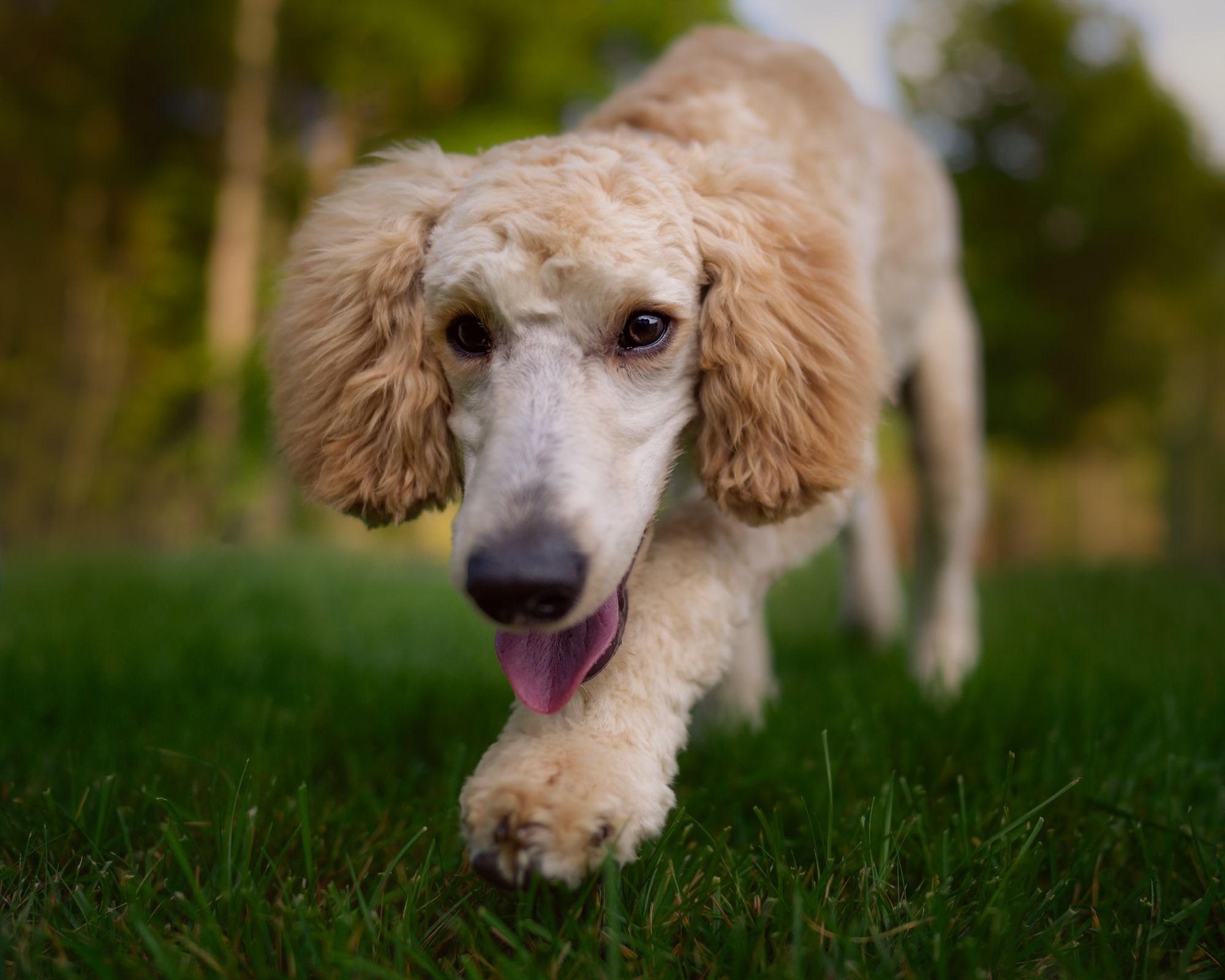
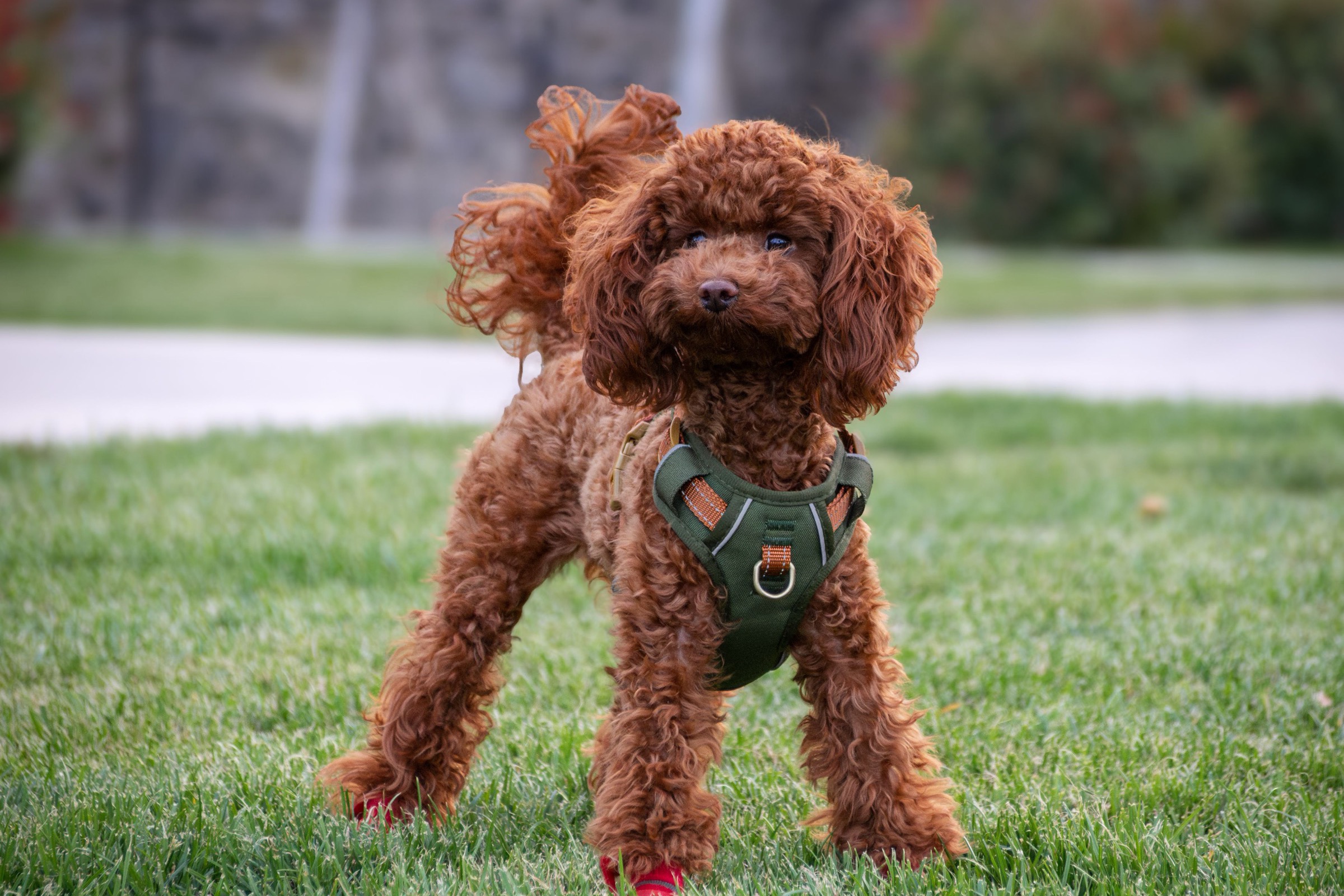
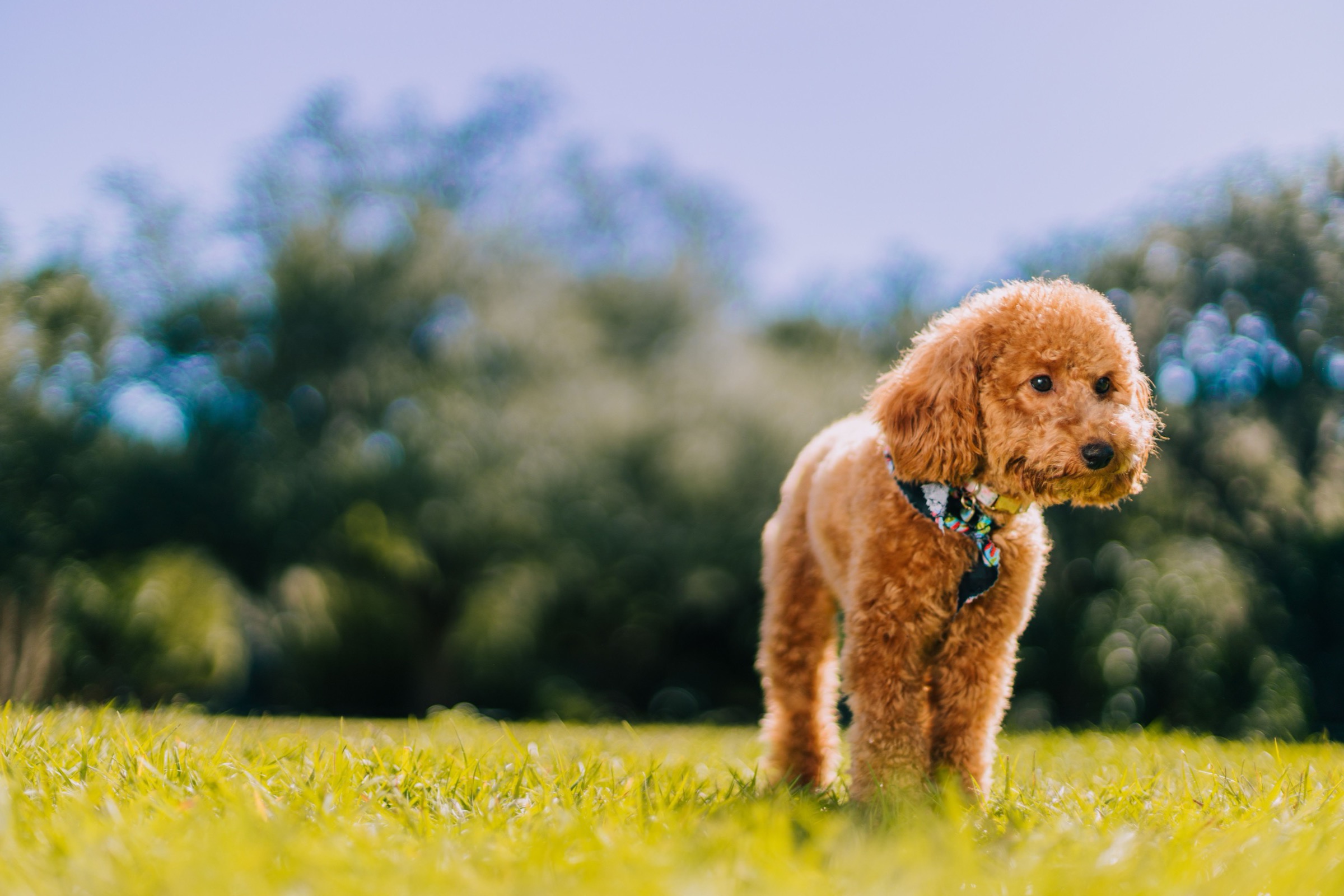
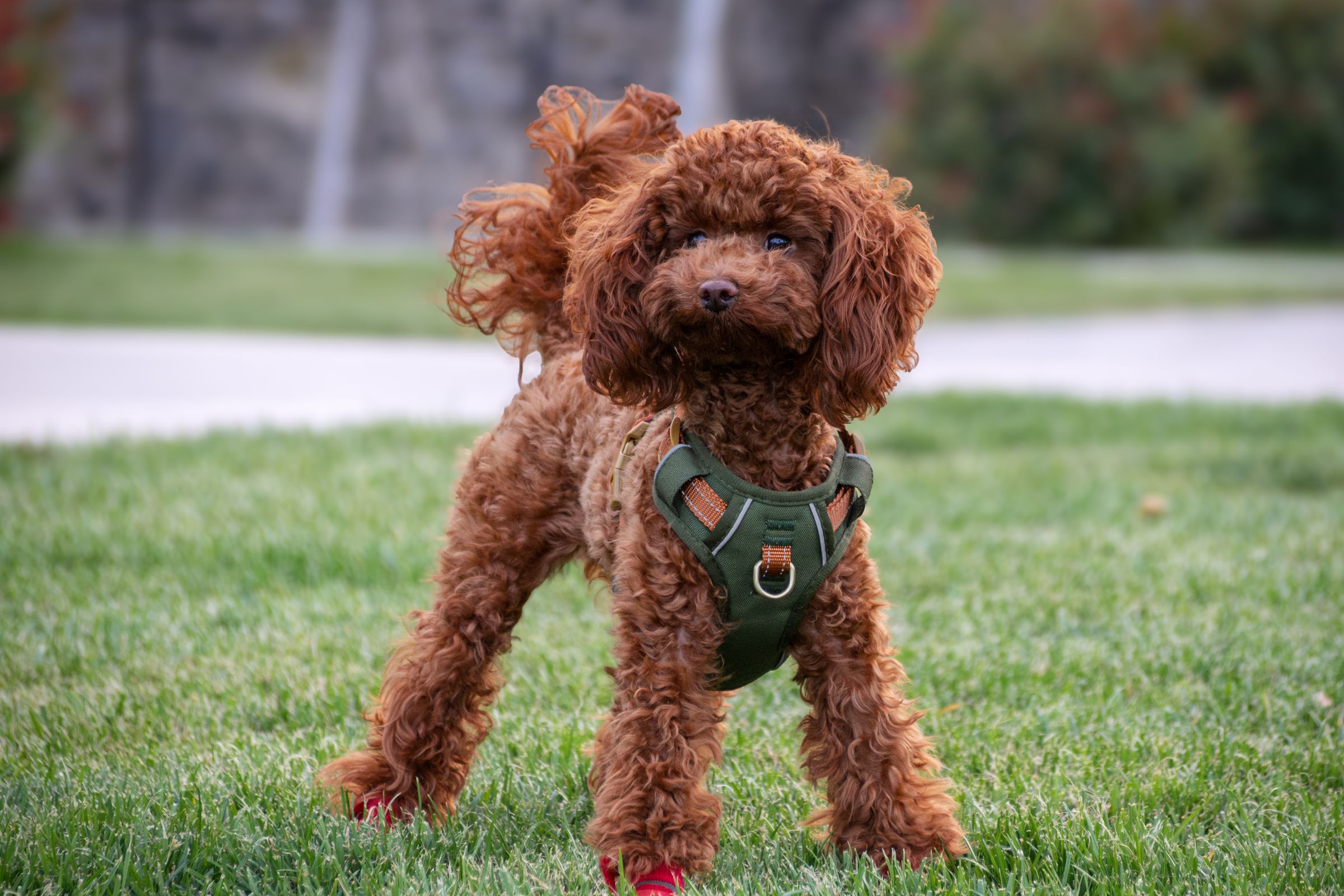
Poodle ear care revolves around one breed-specific fact: Poodles grow hair inside the ear canal. Combine that with the drop ear that flops over the opening, and you have a warm, poorly ventilated space where moisture lingers: the ideal climate for wax build-up and ear infections. None of this makes the Poodle an "ear problem breed" by default; it makes the Poodle a breed where a simple weekly routine pays off handsomely. Here is how to check, how to clean without doing damage, what to think of ear plucking, and when the ear is a vet matter.
Why Poodle ears need attention
Three factors come together in this breed, at every size from Toy to Standard:
- Hair in the ear canal. The same continuously growing curly coat that covers the body also grows inside the ears. Hair traps wax and moisture and slows airflow.
- Drop ears. The hanging ear flap keeps the canal covered, warm and humid, unlike a prick-eared dog whose canals ventilate naturally.
- A water-loving history. The Poodle was bred as a water retriever, and many Poodles still love to swim. Water in a hairy, covered ear canal that never fully dries is the classic route to infection.
The consequence is simple: ears are a standing item in Poodle care, alongside the 6-8-week grooming rhythm and daily coat and dental habits.
The weekly ear check: thirty seconds
Once a week, lift each ear flap and use your eyes and nose. This fits perfectly into a broader weekly health check:
- Color: the inside of a healthy ear is pale pink, not red or swollen.
- Smell: a healthy ear smells like almost nothing. A sour, yeasty or foul odor is the earliest and most reliable warning sign.
- Discharge: a little light wax is normal; dark brown or black crumbly discharge, pus or blood is not.
- Behavior: note head shaking, ear scratching, rubbing the head along the sofa, or flinching when you touch the ear.
Doing this weekly means you know what your dog's normal ears look and smell like, which is exactly what lets you catch trouble in days rather than weeks.
Cleaning: how to do it safely
First the golden rule: never push a cotton swab into the ear canal. A swab compacts wax deeper, can damage the eardrum, and a dog that jerks its head at the wrong moment turns a cleaning into an injury. The safe method uses a liquid ear cleaner made for dogs:
- 1. Fill: hold the ear flap up and fill the canal with the cleaner as directed on the product.
- 2. Massage: massage the base of the ear (the firm tube you feel below the opening) for 20-30 seconds: you will hear a soft squelch as the fluid loosens the wax.
- 3. Let them shake: release and step back; the head shake brings wax and fluid up out of the canal.
- 4. Wipe: wipe the ear flap and the visible outer opening with a cotton pad or gauze. Only what you can see: never deeper than your fingertip reaches.
How often? Clean when the check shows wax building up, and leave clean ears alone: over-cleaning strips the ear's natural protection and irritates the skin. What every Poodle does need, without exception, is drying after water: after swimming, bathing and rainy-day soakings, gently towel-dry the ear flap and the outer opening. For enthusiastic swimmers, this after-swim habit prevents more ear infections than any cleaner will.
The ear plucking question: let a professional decide
Should the hair inside the canal be plucked out? Honest answer: the professionals disagree. The traditional grooming view says plucking opens the canal for airflow and makes wax easier to remove. The modern veterinary view is more cautious: plucking healthy ears leaves micro-wounds in the canal skin, and those tiny wounds can become entry points for exactly the infections you were trying to avoid. Many vets now advise plucking only when there is a medical reason, for example a dog with recurring infections and a densely overgrown canal, and leaving trouble-free ears alone, or at most trimming the hair at the entrance.
Our advice: put the question to your groomer and your vet and follow their judgment for your individual dog. What you should not do is pull ear hair yourself at home. If plucking is advised, it belongs in trained hands with proper technique; done wrong, it is painful and counterproductive.
When it is a vet matter
An ear infection (otitis) is painful, dogs are often visibly miserable with one, and it does not resolve on its own. Go to the vet when you see:
- A bad smell, redness or swelling in the ear;
- Dark discharge or pus;
- Persistent head shaking, scratching or a tilted head;
- Pain when the ear is touched, or sudden irritability;
- Repeated infections in the same ear: recurring trouble deserves a search for the underlying cause, such as allergies, rather than another round of drops.
Two things not to do: do not treat first with leftover medication from a previous episode or with remedies bought online: the wrong drops in an ear with a damaged eardrum can do serious harm, and do not flush an already painful ear at home. Diagnosis first, treatment second; your vet will look into the canal, identify what is actually growing there, and match the treatment to it. For a breed that can live 14-16 years, keeping ears healthy is a long-term project worth doing properly.
In short
- Poodles grow hair in the ear canal and have drop ears: warm, damp and covered means infection-prone.
- Check weekly (color, smell, discharge, behavior); clean only when wax builds up, with a dog ear cleaner.
- Never put cotton swabs in the canal, and always dry ears after swimming or bathing.
- Ear plucking is debated: follow your groomer's and vet's advice, and never pull ear hair yourself.
- Smell, redness, discharge or head shaking = vet. Ear infections are painful and never self-healing.