The Poodle Tail: Docking, Breed Standards and Care
By The Poodle Guide editorial team · Updated on October 5, 2026
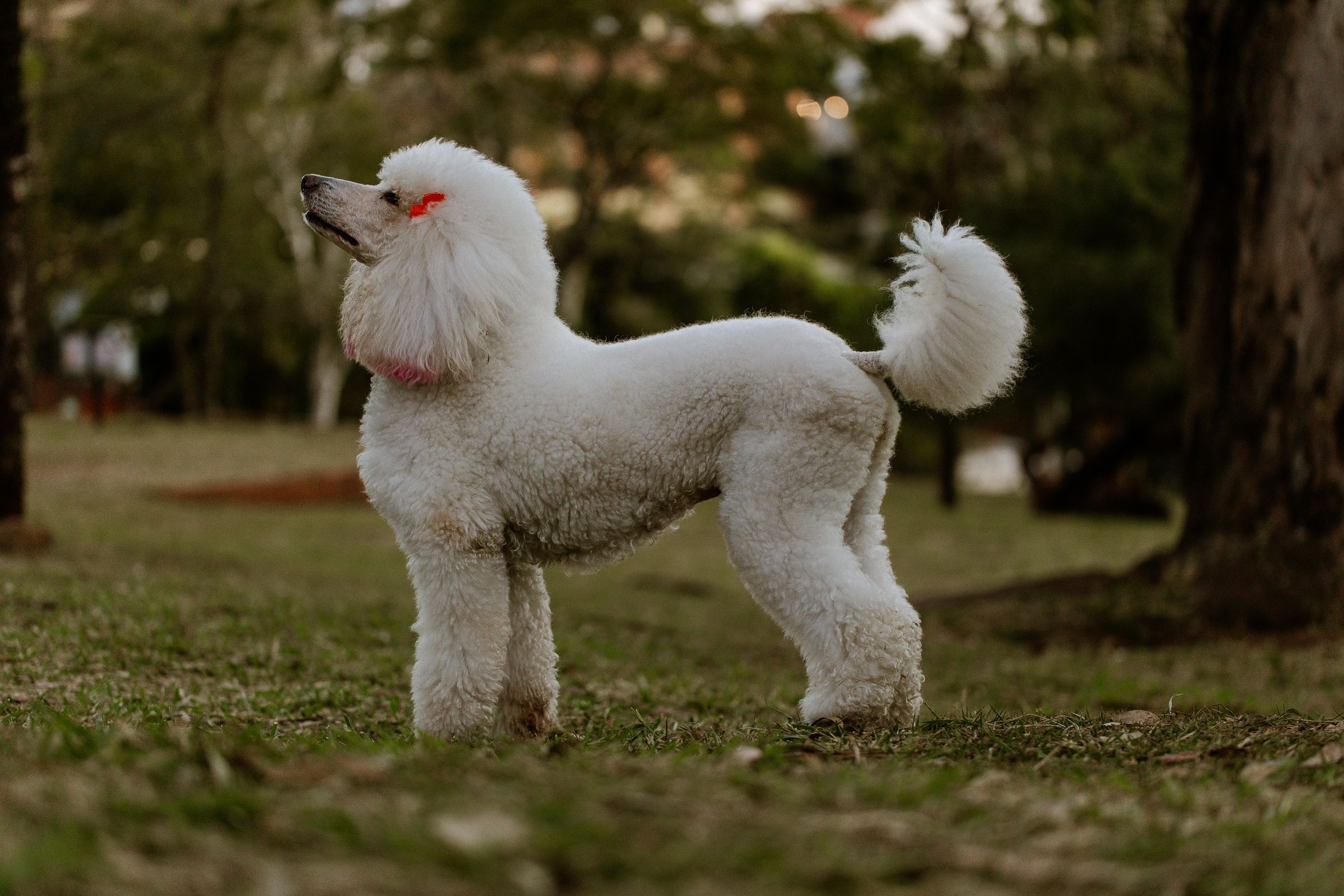
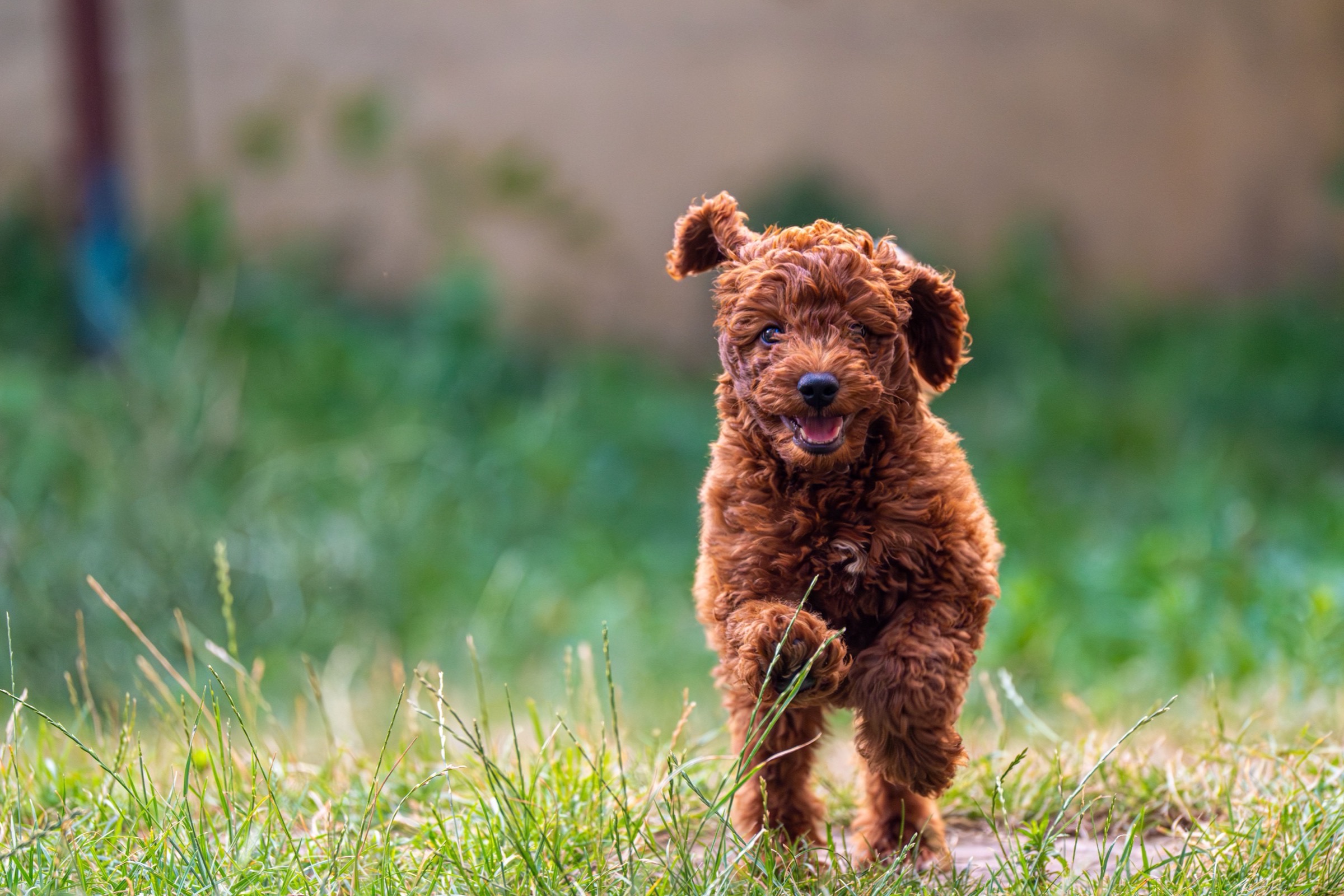
Look at old photographs of Poodles and you will often see a short, upright stub topped with a pompon. Look at a Poodle in the UK or Australia today and you are far more likely to see a long plume carried high over the back. In the United States you will meet both. That difference comes down to law, kennel club rules and where the puppy was born, not to breeding. Below: what the rules say, what the tail tells you and how to look after it, for all four sizes.
Docking and the law
Tail docking means removing part of a puppy's tail, traditionally in the first days of life. Whether that is allowed depends on where you live.
- England and Wales: section 6 of the Animal Welfare Act 2006 makes it an offence to remove a dog's tail other than for medical treatment. The ban took effect in Wales on 27 March 2007 and in England on 6 April 2007. The only exemption covers certified working dogs of specific types, docked by a vet before five days old; a pet Poodle does not qualify. Docked dogs are also barred from shows where the public pays for admission.
- Scotland: docking has been banned since 2007 under the Animal Health and Welfare (Scotland) Act 2006. A 2017 exemption covers only working spaniels and hunt point retrievers.
- Australia: cosmetic tail docking has been illegal in every state and territory since 2004.
- United States: there is no nationwide ban. Some states regulate the procedure; Pennsylvania, for example, allows only veterinarians to dock. The American Veterinary Medical Association has opposed docking for purely cosmetic reasons since 2008 and has asked breed clubs to remove it from their standards.
What the breed standards say
The three big kennel club standards do not agree on the tail, which is one more reason Poodles look different from country to country (the same clubs also disagree on how many sizes there are).
- FCI (standard no. 172, current version of 20 March 2024): the tail is set on quite high, at the level of the loin, and ideally carried at "ten past nine" compared to the topline. A tail set too low is a severe fault. An absent or naturally short tail and a tail that curls completely are disqualifying faults. Many websites still quote an older version that allowed docking by a third or a half; the current text states plainly that tail docking is no longer authorised.
- UK (Royal Kennel Club): the standard notes that the tail was "previously customarily docked" and describes both versions. An undocked tail should be thick at the root, set on rather high and carried away from the body as straight as possible.
- AKC: the American standard describes a tail that is straight, set on high and carried up, "docked of sufficient length to insure a balanced outline". Many US pet Poodles keep their full tail anyway.
A docked puppy for sale
If you live where docking is banned and you see an advert for a Poodle puppy with a docked tail, ask how that came about. The only honest answers are a documented medical reason or an import from a country where docking is legal. A docked litter from a local "breeder" means a criminal offence, and usually corners cut elsewhere too, like a puppy handed over in a car park or a litter without health test results. Our guides to finding a responsible Toy Poodle breeder and a Standard Poodle breeder explain what to check. A responsible breeder leaves the tail alone and can show you the parents' results for patella, eye examinations and the prcd-PRA DNA test.
What the tail tells you
The tail is an important signal between dogs. Researchers at the University of Victoria in Canada (Leaver and Reimchen, 2008) showed 492 off-leash dogs a life-size robotic dog with a long or short tail, held still or wagging. With the long tail, the dogs reacted clearly differently to wagging and to stillness. With the short tail, that difference disappeared. A long tail, in other words, carries the message more clearly.
Always read the tail together with the rest of the dog. Wagging does not automatically mean happy; it mainly tells you that your dog is aroused or engaged. A relaxed tail swinging loosely at "ten past nine" is a different message from a stiff tail held high over a tense body, or a tail tucked between the hind legs during fireworks.
Caring for the tail
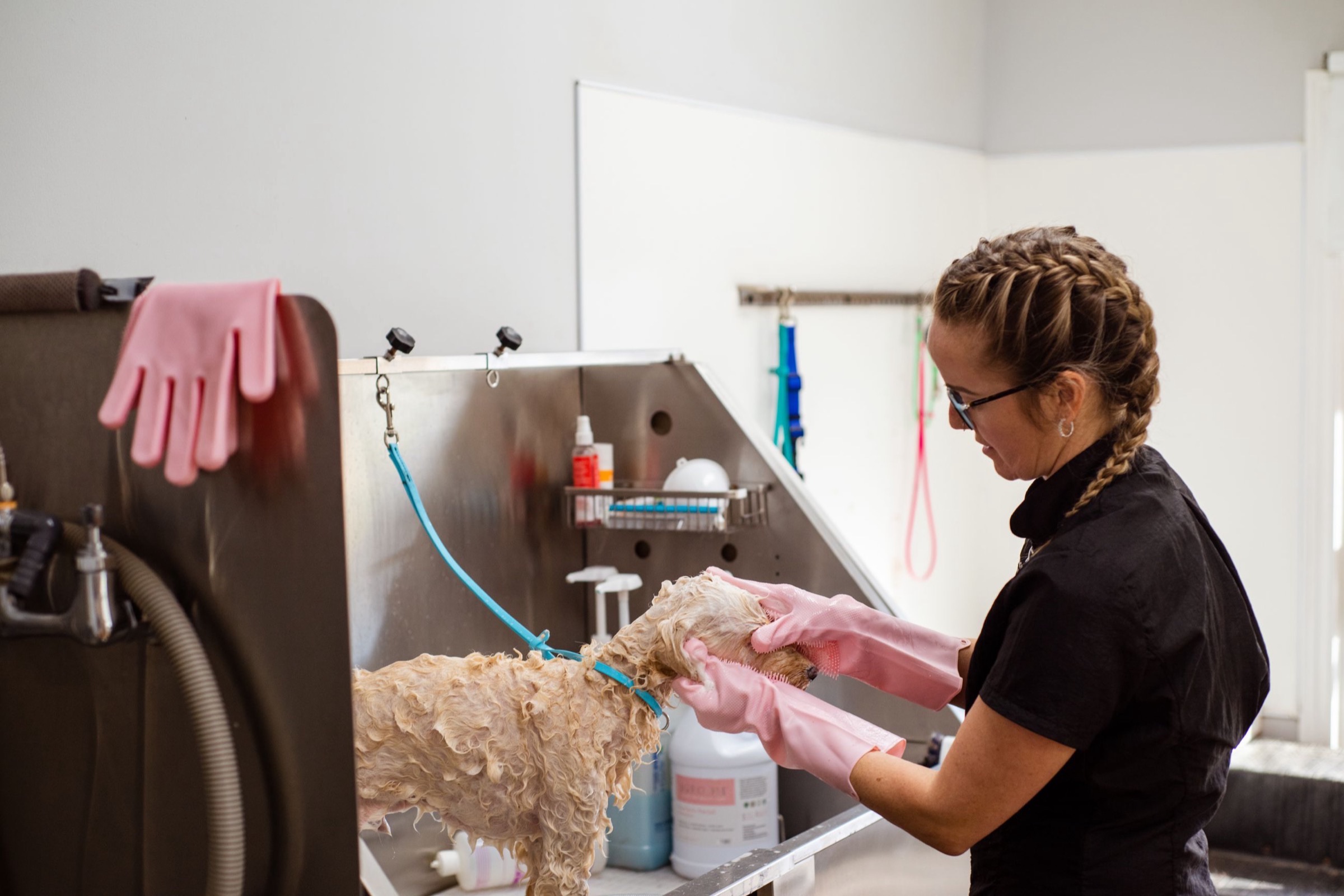
The tail coat keeps growing like the rest, and tangles form easily at the base. Brush it every session, layer by layer with a slicker brush, then check with a metal comb down to the skin. See Poodle grooming for the full routine.
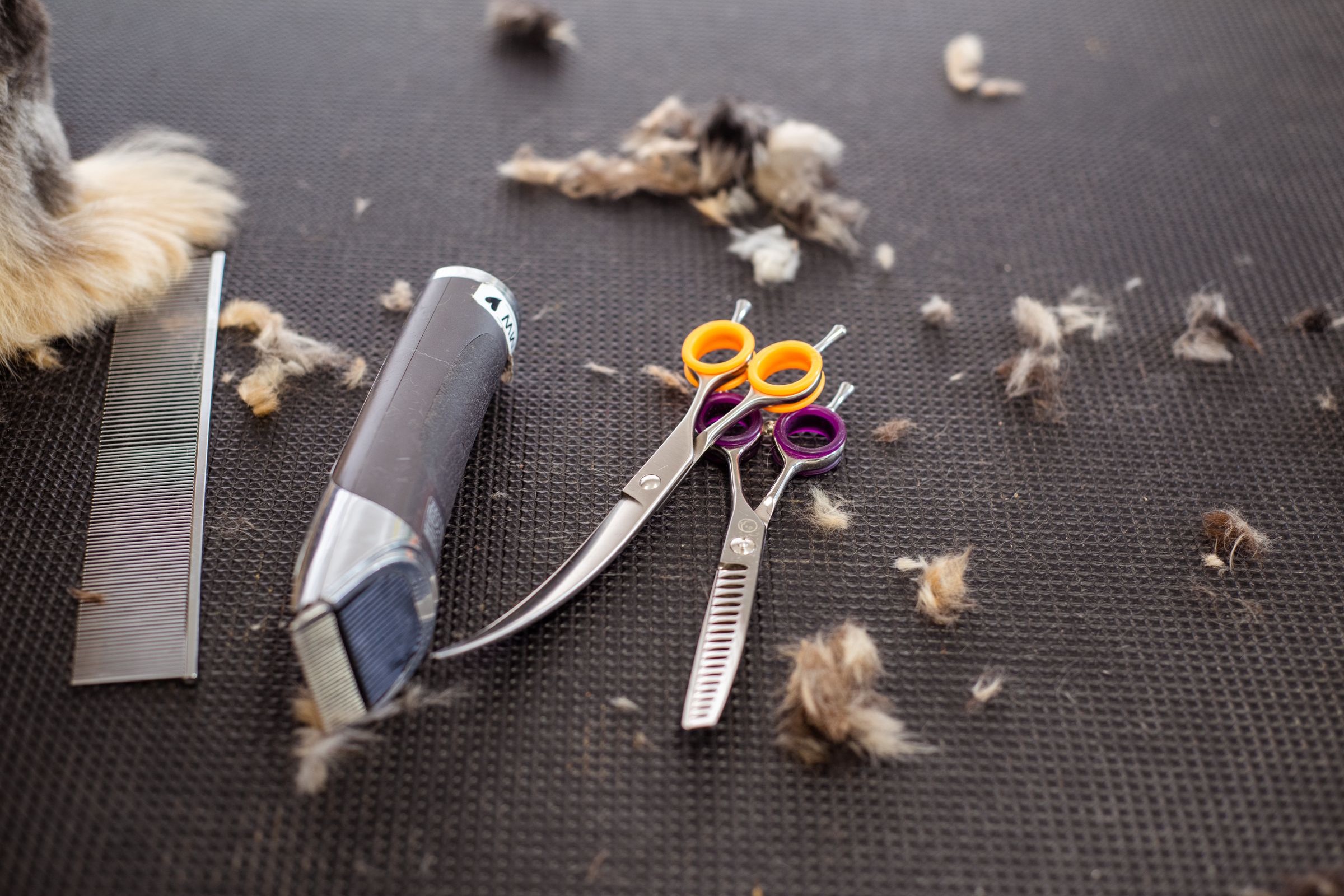
How the tail looks is decided at the groomer's table:
- Lion clip (the classic show trim): the tail is shaved except for a round or oval pompon at the end, as the FCI standard describes.
- Teddy bear or puppy clip: usually a full plume is left on the tail, sometimes with a short-clipped base.
Tell your groomer what you want for the tail; examples are in our guide to Poodle haircuts.
Keep the area under the tail short and clean too. Long hair around the anus gets soiled and matted quickly; a small trim with round-tipped scissors between grooms helps.
When to see the vet
Have your Poodle checked if you notice any of the following:
- Scooting or constant licking under the tail. This usually points to the anal glands, a common problem in smaller dogs; see anal glands in Poodles.
- A tail that suddenly hangs limp, that your dog no longer lifts, or pain when you touch the base of the tail.
- Wounds, bald patches or lumps on the tail, or a dog that keeps chewing its own tail.
- A kink in the tail after a fall or after it was caught in a door or under a chair leg.
In short
- Docking a pet Poodle is banned in England, Wales, Scotland and Australia; the US has no nationwide ban, and US vets oppose cosmetic docking.
- The FCI standard (2024) no longer authorises docking, asks for a high-set tail carried at "ten past nine" and disqualifies an absent or naturally short tail; the UK standard accepts both; the AKC standard still describes a docked tail.
- A docked puppy offered where docking is illegal is a red flag.
- A long tail communicates more clearly; read it with the whole dog.
- Brush the tail down to the skin, keep the area under it short and watch out for scooting.