Senior Poodle Care: Helping Your Poodle Age Well
By The Poodle Guide editorial team · Updated on July 24, 2026
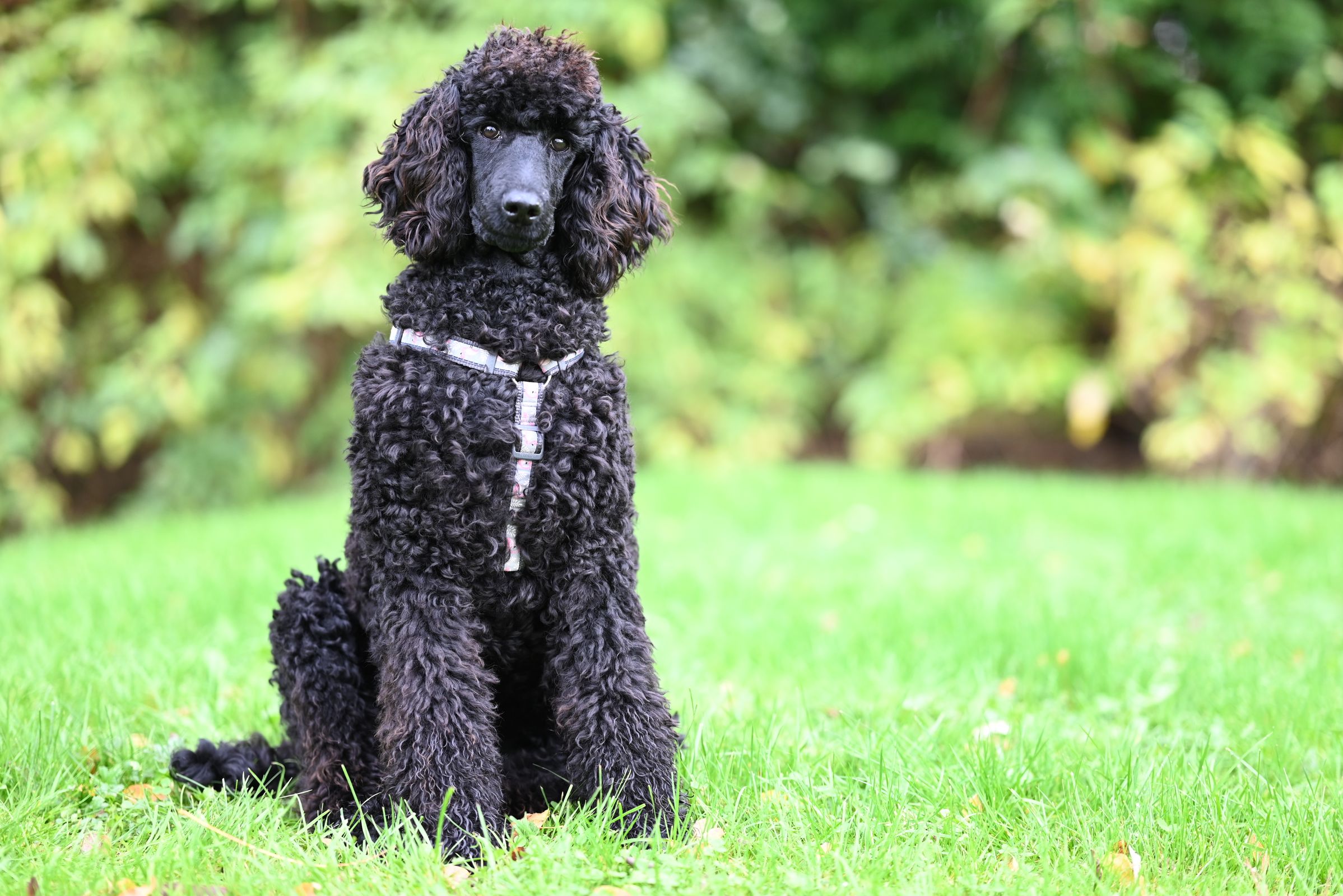
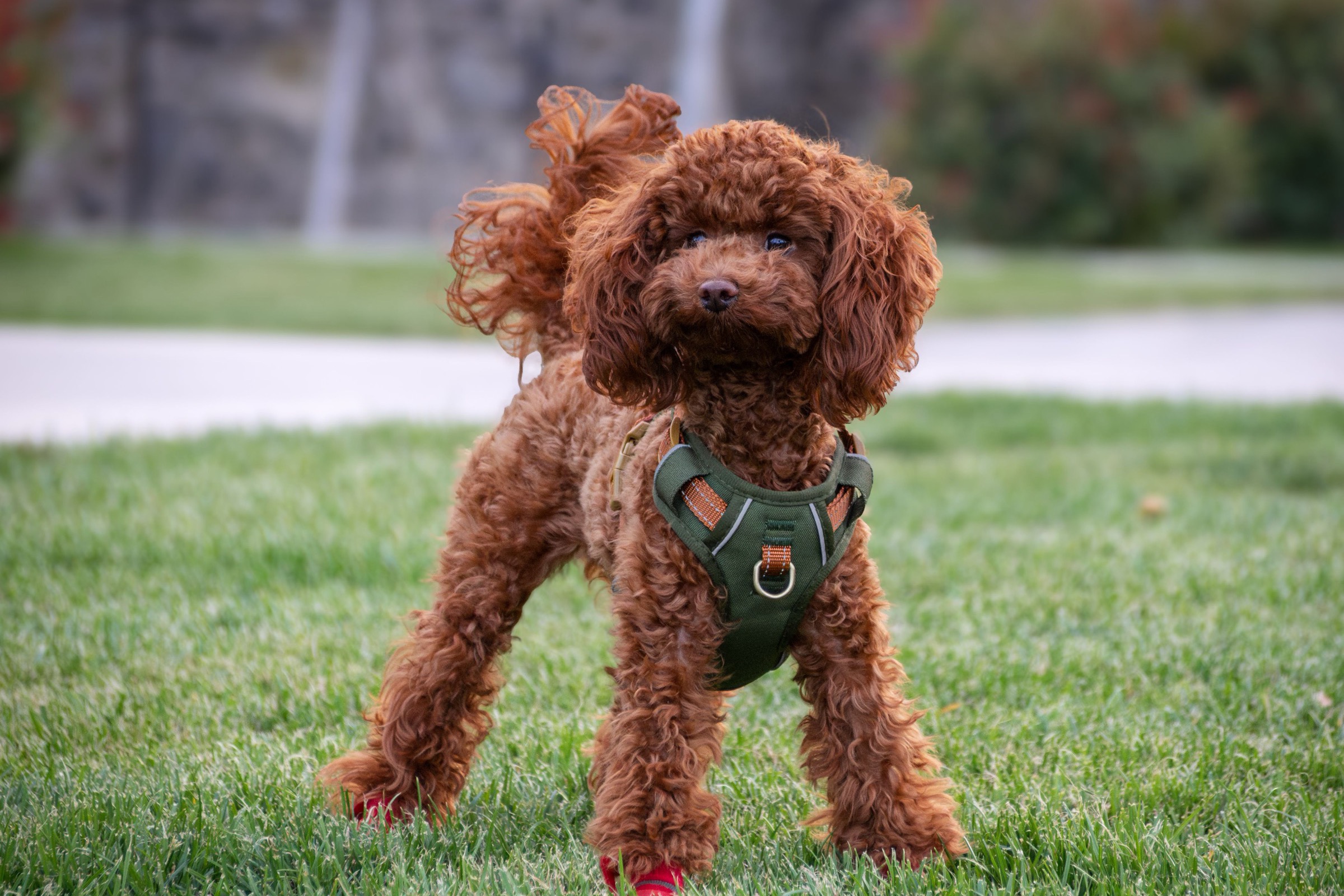
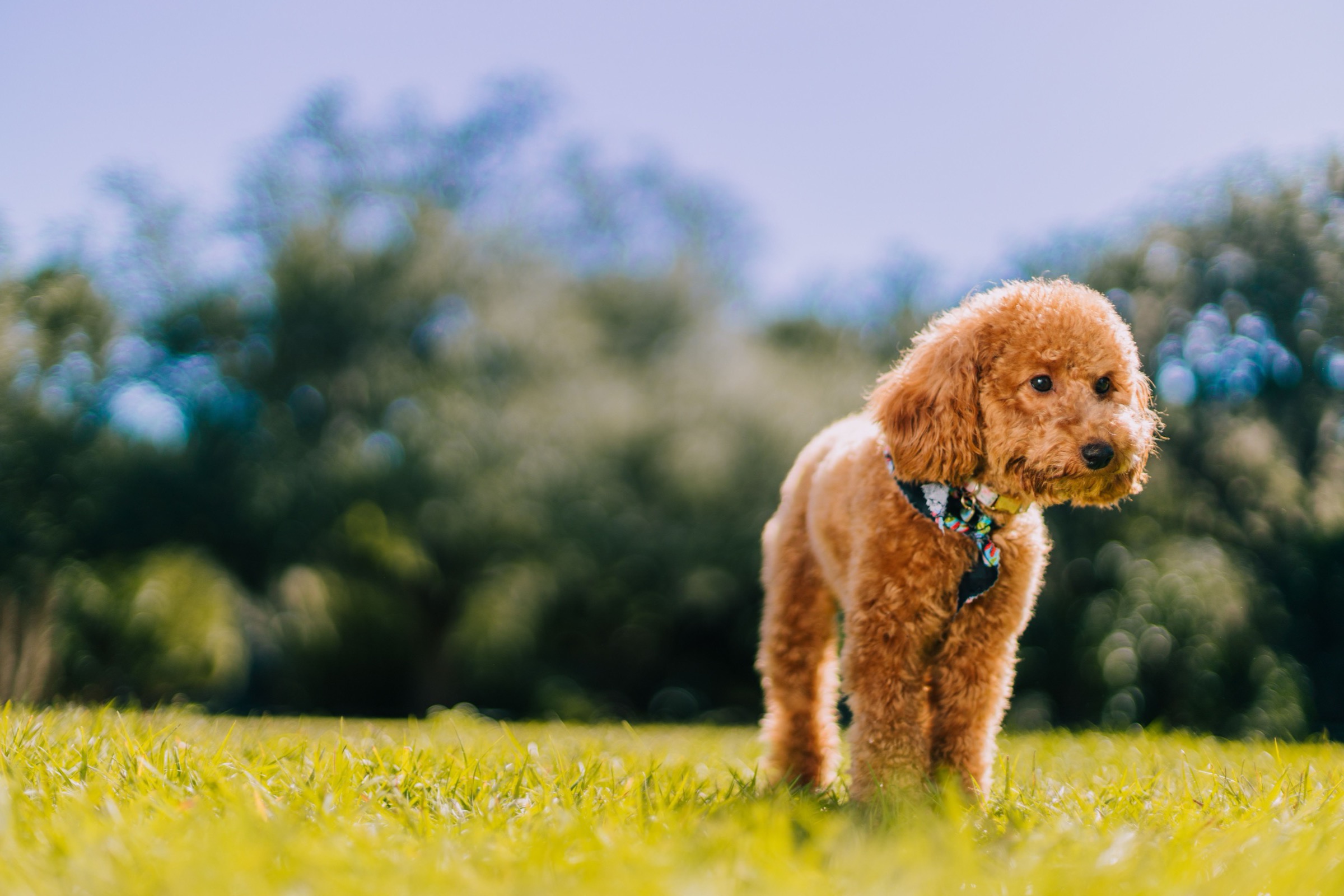
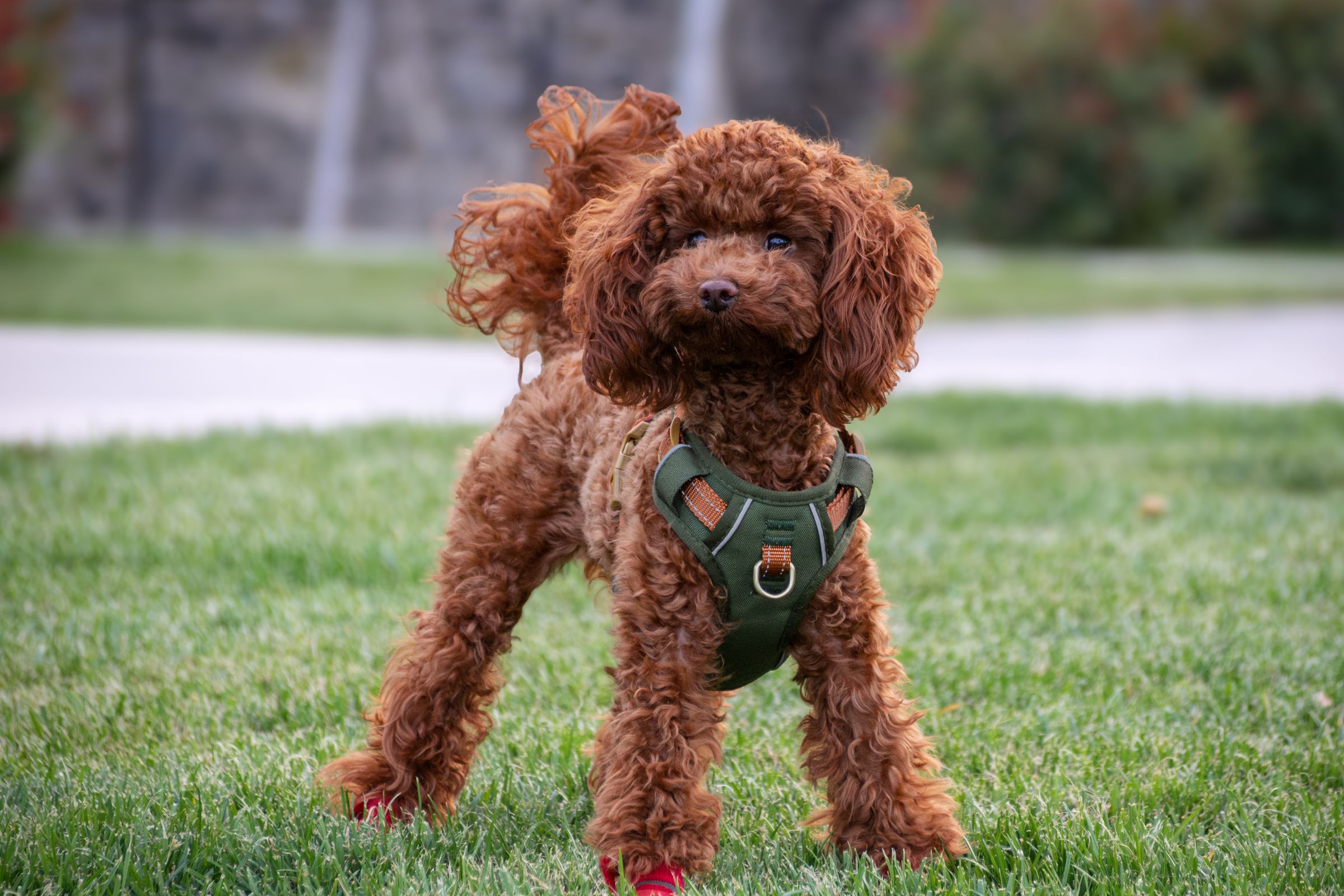
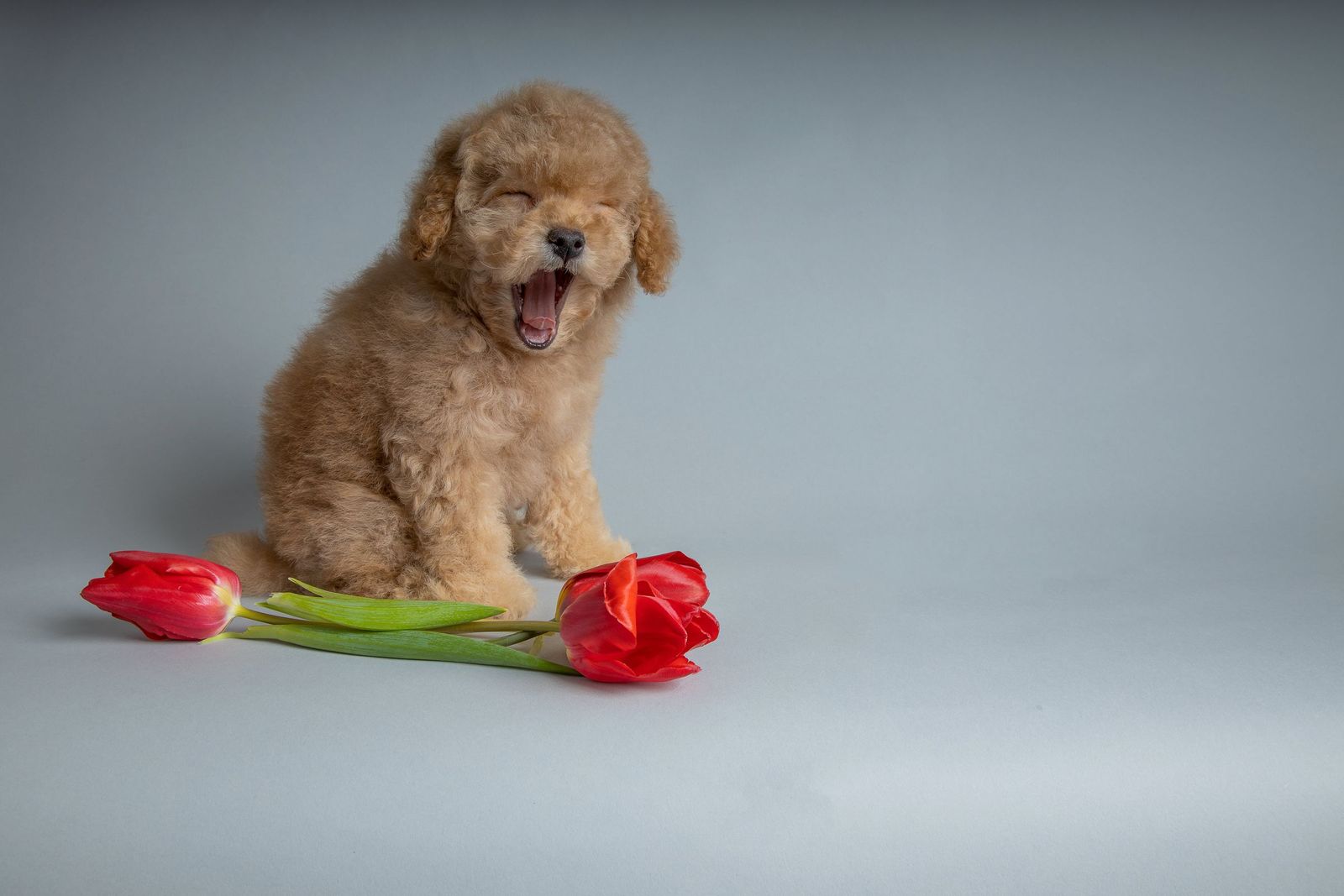
A senior Poodle is one of the quiet privileges of this breed. Where many breeds slow down at seven, a Toy Poodle often lives 14 to 16 years, with outliers reaching 18, and even the Standard Poodle manages a respectable 12 to 14. That long life is the gift of the Poodle, but it comes with a second chapter that deserves its own approach. This guide covers senior Poodle care in practical terms: when your dog actually becomes a senior, what changes, and which small adjustments make old age comfortable rather than merely long.
When is a Poodle a senior? It depends on the size
Small dogs age more slowly than large ones, and with four FCI sizes the Poodle spans that whole range:
- Toy Poodle (24-28 cm, 2-4.5 kg): senior from roughly age 10-11, with a life expectancy of 14-16 years.
- Miniature Poodle (28-35 cm, 4-7 kg): senior from around 10, living 14-16 years.
- Medium Poodle (35-45 cm, 9-13 kg): senior from about 9-10, living 13-15 years.
- Standard Poodle (45-60 cm, 20-30 kg): senior from around 8-9, living 12-14 years.
Note for readers in the United States: the AKC recognizes three varieties rather than four sizes, with the Toy at a maximum of 10 inches: the aging logic is the same, only the labels differ. And whatever the paperwork says, "senior" is not a switch that flips on a birthday. It is a gradual shift you will notice in the small things first.
What changes in an aging Poodle
Most changes creep in so slowly that owners only see them in hindsight. The common ones:
- Hearing and eyesight fade. Your Poodle no longer startles at the doorbell, or hesitates on stairs at dusk. Approach an old dog calmly and within view rather than touching them from behind.
- Joints stiffen. A slower first few minutes after a nap, reluctance to jump onto the sofa, a careful gait on slippery floors. In Toys and Miniatures, knees that were sensitive in youth (patellar luxation is the classic small-Poodle issue) often ask for extra consideration now. Large seniors feel it in hips and shoulders.
- Teeth become the weak point. Dental disease is the most common problem in old small dogs. Bad breath is not "just old age": it is usually inflammation. Keep up daily dental care for as long as your dog lives.
- Sleep increases and deepens. Senior dogs sleep more and wake less easily. Give them a quiet spot where children and visitors do not disturb them.
- Behavior shifts gradually. A bit more attached, a bit less patient, slower to respond. Gradual change is normal. A sudden change in behavior, appetite or thirst is not aging: that is a reason to call your vet.
Practical adjustments that make a real difference
Comfort at home
- An orthopedic bed supports old joints far better than a flattened cushion, and a warm draft-free spot matters double for a Toy or Miniature: at 2-7 kg with a single coat layer, small Poodles get cold quickly, and old small Poodles even quicker.
- Steps or a ramp to the sofa or bed spare the knees and back. For small sizes this is knee protection; for a Standard it saves the hips.
- Grip on smooth floors: a few rugs or runners on tile and laminate prevent slips that a young dog would shrug off.
Food and weight
Older dogs burn less energy, and extra weight is the last thing aging joints need. Switch to a senior formula in consultation with your vet, weigh regularly, and be honest about treats: at Toy Poodle size, a few extra treats a day add up fast. On the other end of the spectrum, some very old dogs eat too little; smaller, more frequent meals often help.
Exercise: shorter, more often
The biggest mistake with senior dogs is stopping. Muscles that go unused disappear, and with them go stability and confidence. Replace the long walk with two or three short, unhurried ones and let sniffing take center stage: for an old dog, a slow sniff-walk is both exercise and enrichment. The famously clever Poodle brain does not retire either: gentle brain games, scent work and learning small new tricks keep an old Poodle mentally bright. Just skip the jumping and wild fetch sessions.
Grooming stays, but gets gentler
The curly coat keeps growing at every age, so the 6-8-week grooming rhythm continues. Do tell the groomer your dog is a senior: shorter sessions, a non-slip mat, support while standing, and a practical shorter clip all make the visit easier. Grooming time is also your monthly health scan: hands over the whole body means new lumps, sore spots and weight change get noticed early.
The vet: twice a year, and sooner when in doubt
For seniors, the standard advice is a check-up every six months instead of yearly. Blood work, dental checks and weight tracking catch the treatable things, such as kidney and heart issues, thyroid problems and dental infections, while they are still small. Between visits, trust your instincts: you know your dog better than anyone. Sudden lameness, drinking noticeably more, night restlessness, disorientation or a lump that grows are all vet calls, not wait-and-see items. Our weekly health check is a useful habit to structure what you look for.
Quality of life: the honest conversation
With a breed that can reach 16 or even 18, most owners will at some point face the question of what a good old age looks like. The kindest framework is simple: does your dog still enjoy the things that make them them? Eating with appetite, greeting you at the door, pottering happily on walks? Good days can absolutely outweigh stiff moments. When bad days start outnumbering good ones, involve your vet early, not for one dramatic decision, but for pain management, comfort options and honest guidance along the way. An old Poodle that is comfortable, warm and close to their person is a happy dog. That is the whole goal.
In short
- Senior age depends on size: Toys and Miniatures from about 10-11 years, Standards from about 8-9.
- Normal aging is gradual: fading senses, stiffer joints, more sleep. Sudden changes mean calling the vet.
- Key adjustments: orthopedic bed, steps instead of jumps, senior food, strict weight control and non-slip floors.
- Keep moving and keep thinking: shorter, more frequent walks plus gentle brain work beat full retirement.
- Vet checks twice a year; dental care every day, for life.