Poodle Tear Stains: Causes and How to Clean Them
By The Poodle Guide editorial team · Updated on July 24, 2026
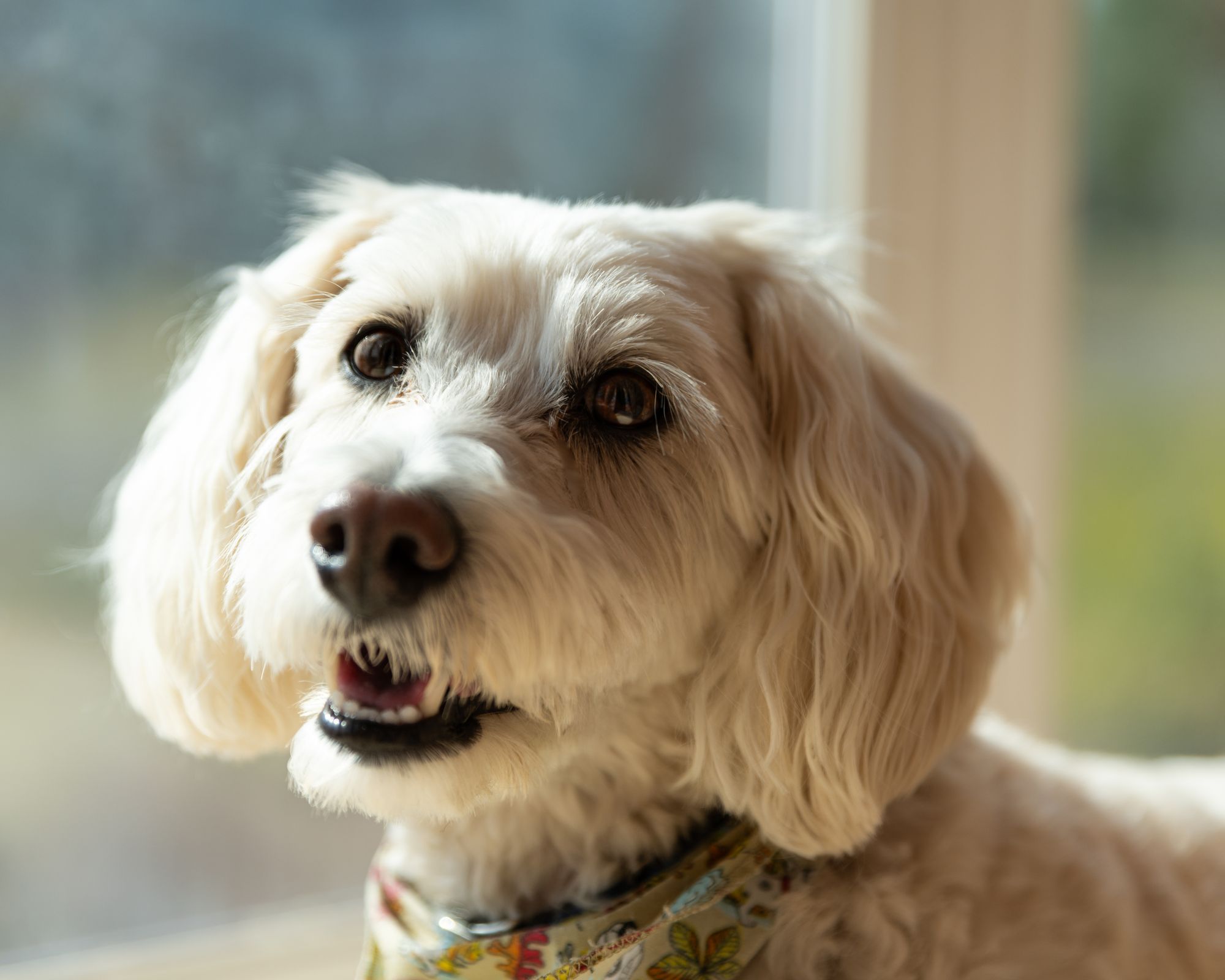
Poodle tear stains are those reddish-brown streaks running from the inner corner of the eye down the muzzle: barely noticeable on a brown or black Poodle, impossible to miss on a white, cream or apricot one. They are one of the most searched-for cosmetic complaints among owners of light-coated dogs, and the internet is full of miracle cures for them. The honest story is simpler and less glamorous: tear stains are usually harmless, daily cleaning is the treatment that actually works, and the moment to take them seriously is when the tearing itself changes. Here is what causes them, what helps, what to avoid, and when watery eyes belong at the vet.
What tear stains actually are
Dog tears contain porphyrins: natural, iron-containing pigment molecules that are a normal by-product of the body breaking down red blood cells. When tears drain normally through the tear ducts into the nose, you never see them. When tears overflow onto the fur instead, the porphyrins sit in the damp hair, react with light and air, and stain it reddish-brown. Add constant moisture and you also get a breeding ground for yeast and bacteria on the skin beneath, which can darken the stain and produce a musty smell.
Two takeaways follow directly from this. First: the stain is pigment in dead hair: it is cosmetic, not dirt or disease in itself. Second: the useful question is never "how do I bleach this away?" but "why are the tears overflowing?"
Why the tears overflow: the common causes
- Anatomy of small breeds. Toy and Miniature Poodles, like many small dogs, can have narrow or winding tear ducts that simply drain less efficiently. The eyes are healthy; the plumbing is just tight. This is the most common background cause and part of why tear staining clusters in the smallest Poodle sizes.
- Hair in the eye. The Poodle coat grows continuously, including around the face. Hairs curling into the eye cause constant mild irritation, and constant extra tears. This one is wonderfully fixable: ask your groomer to keep the area around the eyes trimmed short at each 6-8-week grooming visit.
- Irritation and allergies. Dust, pollen, smoke, draft: anything that irritates the eye increases tear production. Dogs with allergies often water more in certain seasons, usually alongside itching elsewhere.
- Blocked or inflamed tear ducts. A duct that is blocked, or an infection of the eye or surrounding tissue, sends tears over the edge. This is the category that needs a vet rather than a wipe.
- Teething puppies. Many light-coated puppies stain noticeably during teething and improve afterward, worth knowing before you conclude your puppy has a lifelong problem.
The routine that actually works
No product removes tear stains overnight, whatever the label promises. What works is boring consistency:
- Wipe daily. Once or twice a day, gently wipe the area under each eye with a soft cotton pad and lukewarm water, or a wipe made specifically for the eye area of dogs. You are removing the tear moisture before it can stain and before yeast settles in.
- Dry the area. Damp fur is the whole problem: after wiping, pat the area dry with a clean tissue.
- Keep face hair short. Short hair around the eyes means no hairs poking the eye and less fur for tears to cling to. Your groomer does this in minutes.
- Comb daily during face care. A small fine comb keeps the area free of crusts; soften dried crusts with a damp pad first rather than pulling.
- Be patient. Stained hair stays stained: the improvement shows as clean hair grows out over the following weeks. Judge your routine after six to eight weeks, not six days.
What not to do
The tear stain market is full of bad ideas. Skip these:
- No human products near the eye. Make-up remover, human face wipes, hydrogen peroxide or bleaching agents have no place near a dog's eye: they can cause serious irritation or injury on the thin skin there.
- No antibiotic "stain supplements" from the internet. Some products sold abroad for tear stains contain low-dose antibiotics. Giving a dog long-term antibiotics for a cosmetic issue is a genuinely bad idea: it breeds resistance and masks real problems. Medication belongs with your vet, full stop.
- No scissors work near the eyes at home. Trimming around the eye of a wriggling dog is how eye injuries happen. Leave it to the groomer or vet.
- No miracle expectations. A dog with narrow tear ducts will always water somewhat. The goal is a clean, dry, comfortable face, not a guarantee of permanent whiteness.
When watery eyes mean calling the vet
Chronic mild tearing with staining on a light coat is common and usually innocent. But the eye is delicate, and some signals should never be waited out. Contact your vet if you see:
- A sudden start or clear worsening of the tearing in one or both eyes;
- Yellow or green discharge instead of clear tears, a sign of infection;
- A red, swollen or painful eye, squinting, or an eye held shut;
- Your dog rubbing or pawing at the eye;
- Cloudiness or any visible change to the eye surface.
A painful eye is always urgent. And if the tearing is chronic and heavy, a vet visit is worthwhile even without pain: checking for a blocked duct, an inward-turning eyelid hair or an allergy addresses the cause instead of endlessly wiping the symptom. Eye checks fit naturally into a weekly home health check, and remember that responsible breeders have their breeding dogs' eyes examined by a certified specialist, one more reason tested parents matter when choosing a puppy.
In short
- Tear stains are porphyrin pigments from overflowing tears: cosmetic in themselves, most visible on light coats.
- Common causes: narrow tear ducts in small sizes, hair poking the eye, irritation or allergy, teething in puppies.
- What works: daily wiping and drying, short-trimmed face hair, and patience while clean hair grows out.
- What to avoid: human products near the eye, internet antibiotic remedies, and DIY scissor work.
- Sudden tearing, colored discharge, redness or pain: call your vet: a painful eye is always urgent.