The Toy Poodle Temperament: An Honest Portrait
By The Poodle Guide editorial team · Updated on September 24, 2026
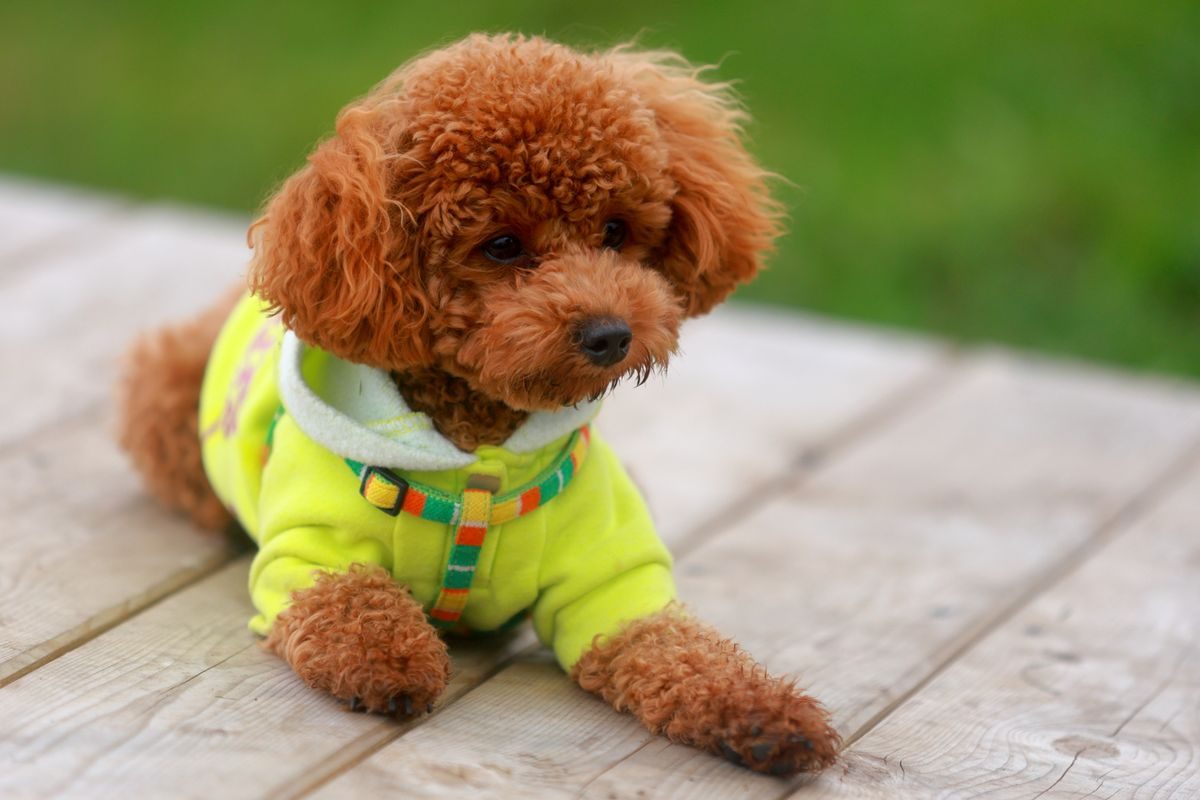
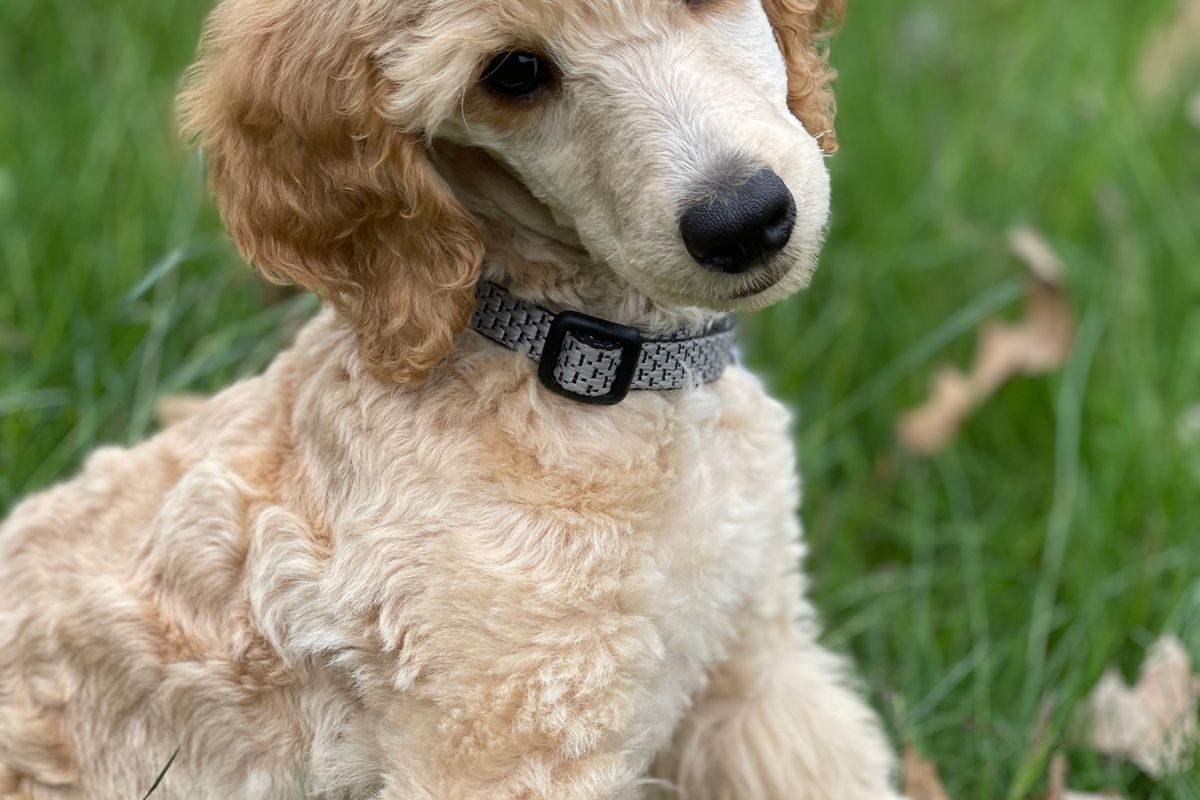
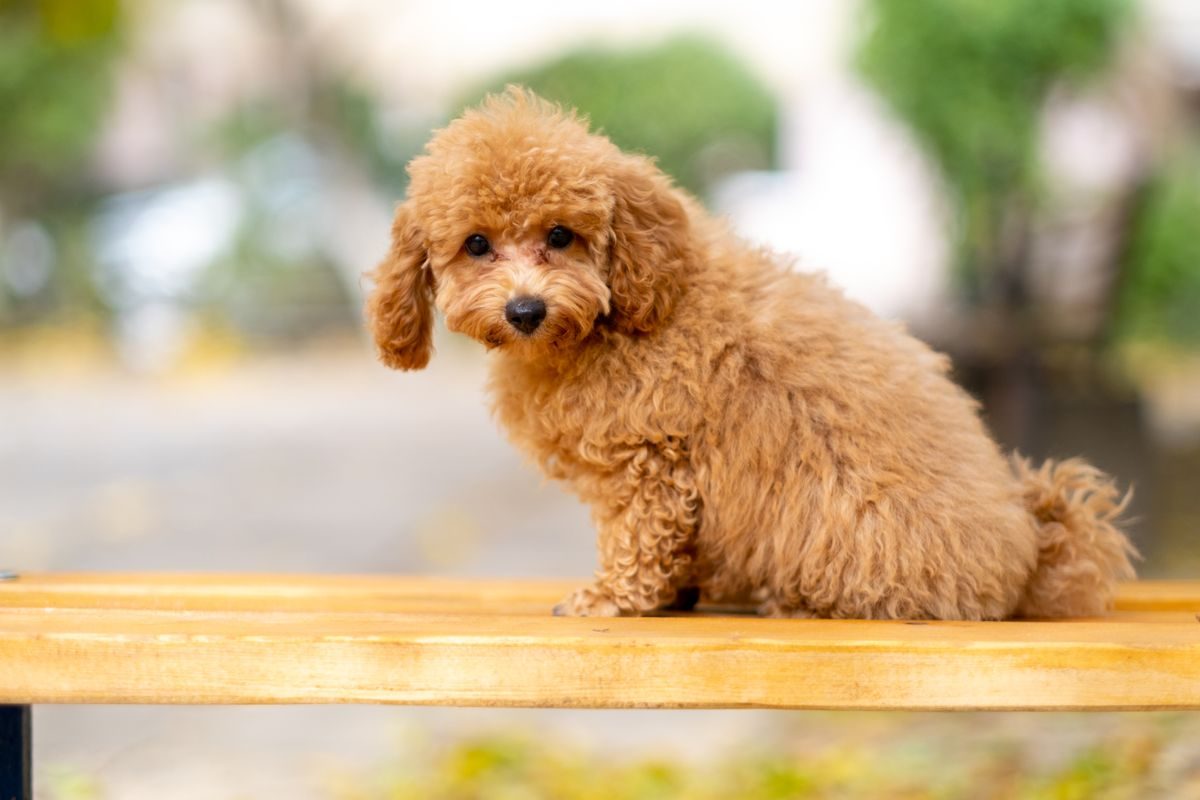
Small dog, big personality. A Toy Poodle is not a living cuddly toy but a sharp, affectionate dog with the brain of a working breed, in pocket format. In short, the Poodle temperament is intelligent, people-focused, cheerful, sensitive and alert, and that holds for all four sizes. The FCI breed standard describes the Poodle as a dog renowned for its loyalty, capable of learning and being trained, which makes it a particularly pleasant companion. Below you'll find where that temperament comes from, the upsides and downsides, how the Toy differs from the larger sizes, and who it suits.
Where the Poodle temperament comes from
The Poodle started out as a hunting dog for waterfowl. According to the FCI standard it descends from the Barbet, a French water dog, and the French name "caniche" comes from "cane", a female duck. Over time the Poodle became above all a companion dog, bred in four sizes from the Standard down to the Toy; see the Poodle sizes compared.
That working past still shows every day. A dog that retrieved ducks had to work closely with its handler, watch for signals and think for itself. That is why a Poodle is so focused on you, learns so quickly, and often loves retrieving, searching and water, even when it weighs three kilos.
The upsides of the Toy Poodle temperament
- Exceptionally smart. In the best-known ranking of dog intelligence, by psychologist Stanley Coren, the Poodle is second, right behind the Border Collie. Breeds in that top group understand a new command in fewer than five repetitions. Read how smart Poodles are. Training goes fast, but a Poodle also learns what you'd rather it didn't, such as exactly when the fridge opens.
- Affectionate and people-focused. A Toy Poodle wants to be part of everything, follows you around the house and reads your mood remarkably well. It is a true family dog that bonds with everyone at home, not just one person.
- Cheerful and playful, for a long time. Many Toy Poodles stay playful well into old age. With a life expectancy of 14-16 years, and some reaching 18, you have that for a long time; see how long Toy Poodles live.
- Sociable. Well-socialized Toy Poodles live happily with children, cats and other dogs.
- Sportier than you think. Despite the elegant image, Toy Poodles take enthusiastically to agility, scent work and tricks. The American Kennel Club describes Poodles of every size as active dogs that need daily exercise. Ideas in agility for Poodles.
The honest downsides
These are the main ones; the complete overview is in our list of Toy Poodle pros and cons.
- Alert to the point of barky. Toy Poodles announce everything: the doorbell, the neighbors, a leaf blowing past. Without training, that grows into excessive barking. Start working on it before it becomes a habit.
- Struggles with long absences. The strong attachment has a flip side. An adult, trained Toy Poodle can be left alone for 4-5 hours at most, and even that needs building up step by step. The plan is in can a Toy Poodle be left alone.
- Sensitive. Harsh words, punishment or a chaotic household hit this breed hard. A Poodle that is frightened becomes insecure, not obedient.
- Bored quickly. A clever dog without a challenge finds its own entertainment: barking, chewing, demanding attention. Ten minutes of brain work often does more than an extra walk; see brain games for Poodles.
- Underestimated because of its size. The biggest "behavior problem" in Toy Poodles is caused by owners who treat them like a plush toy: always carried, never asked to do anything, allowed everything. A Toy Poodle without boundaries or challenge becomes insecure and restless. Treat it as the real dog it is.
Is the Toy Poodle different from the other sizes?
At its core, no. All four sizes share one breed standard and therefore one temperament: equally smart, equally affectionate, equally eager to learn. The differences are mainly size, exercise needs and the way people treat the dog.
| Size (FCI) | Exercise per day | What you notice in practice |
|---|---|---|
| Toy (24-28 cm, 2-4.5 kg) | 30-60 minutes, in short outings | on average the most watchful, vulnerable in rough play, often under-trained |
| Miniature (28-35 cm, 4-7 kg) | about 1 hour | a little sturdier, otherwise almost the same as the Toy |
| Medium (35-45 cm, 9-13 kg) | over 1 hour | sporty, sturdy enough for wilder games |
| Standard (45-60 cm, 20-30 kg) | 1.5-2 hours | an athletic working dog that needs space and a job |
That small dogs on average show more problem behavior is not just an impression. A study in PLOS ONE of 8,301 dogs from 49 breeds (McGreevy and colleagues, 2013) found that across breeds, behavior became more problematic as breed height decreased, including begging, fear and problems when left alone. The researchers suggest, among other explanations, that owners may tolerate unwanted behavior in a small dog more readily because it has less impact, and may reward it unintentionally with attention or food. That is good news: with a Toy Poodle, much of it is in your hands.
Training with a gentle, consistent hand
The Poodle temperament calls for a particular approach. Reward-based training works extremely well; harsh punishment backfires and makes a Poodle insecure. The American Kennel Club notes that Poodles are people-oriented and keen to please as long as training stays fun and positive, but that you need to be consistent in what you ask.
- Short and often. A few five-minute sessions a day work better than one long lesson. Reward with small, soft treats and count them in the daily food allowance.
- Start right away. A Toy Poodle puppy learns from day one. Begin with the first nights and crate training, and add simple commands from the first week.
- Socialize broadly. Let your puppy calmly meet people, sounds, other dogs and new situations. A well-socialized Toy Poodle is more confident and barks less.
- Let a small dog be a dog. Let it walk, sniff and explore on its own instead of picking it up all the time.
Who is a Toy Poodle right for?
A Toy Poodle suits you if you are home a lot or can often take your dog along, want to invest time in training, play and grooming, and are looking for a companion for the long term. It suits you less if you are away full time, want a dog that entertains itself, or have very young children who can't yet hold a small dog carefully.
Convinced? Then read what to look out for when buying a Toy Poodle. A good breeder also selects for temperament and lets you meet the mother. A shy or noticeably fearful mother is a warning sign: the FCI standard even lists aggressive or overly shy dogs as a disqualifying fault. More in how to recognize a good Toy Poodle breeder.
Sources and checks
The description of temperament, origin and sizes comes from the FCI standard no. 172 (Poodle). The intelligence ranking comes from Stanley Coren's book The Intelligence of Dogs (1994). The advice on exercise and training is based on the American Kennel Club's Toy Poodle breed profile. The study on size and behavior is McGreevy and colleagues, Dog Behavior Co-Varies with Height, Bodyweight and Skull Shape, PLOS ONE (2013).
In short
- The Poodle temperament is intelligent, people-focused, cheerful, sensitive and alert, in all four sizes.
- It comes from a past as a water retriever that worked closely with its handler.
- Flip sides: a tendency to bark, 4-5 hours alone at most, sensitive to harsh handling and to boredom.
- The Toy differs mainly in size and exercise needs, not in temperament.
- Most problems come from too little training, not too much. Train short, positive and consistent.