How to Recognize a Good Standard Poodle Breeder
By The Poodle Guide editorial team · Updated on July 21, 2026
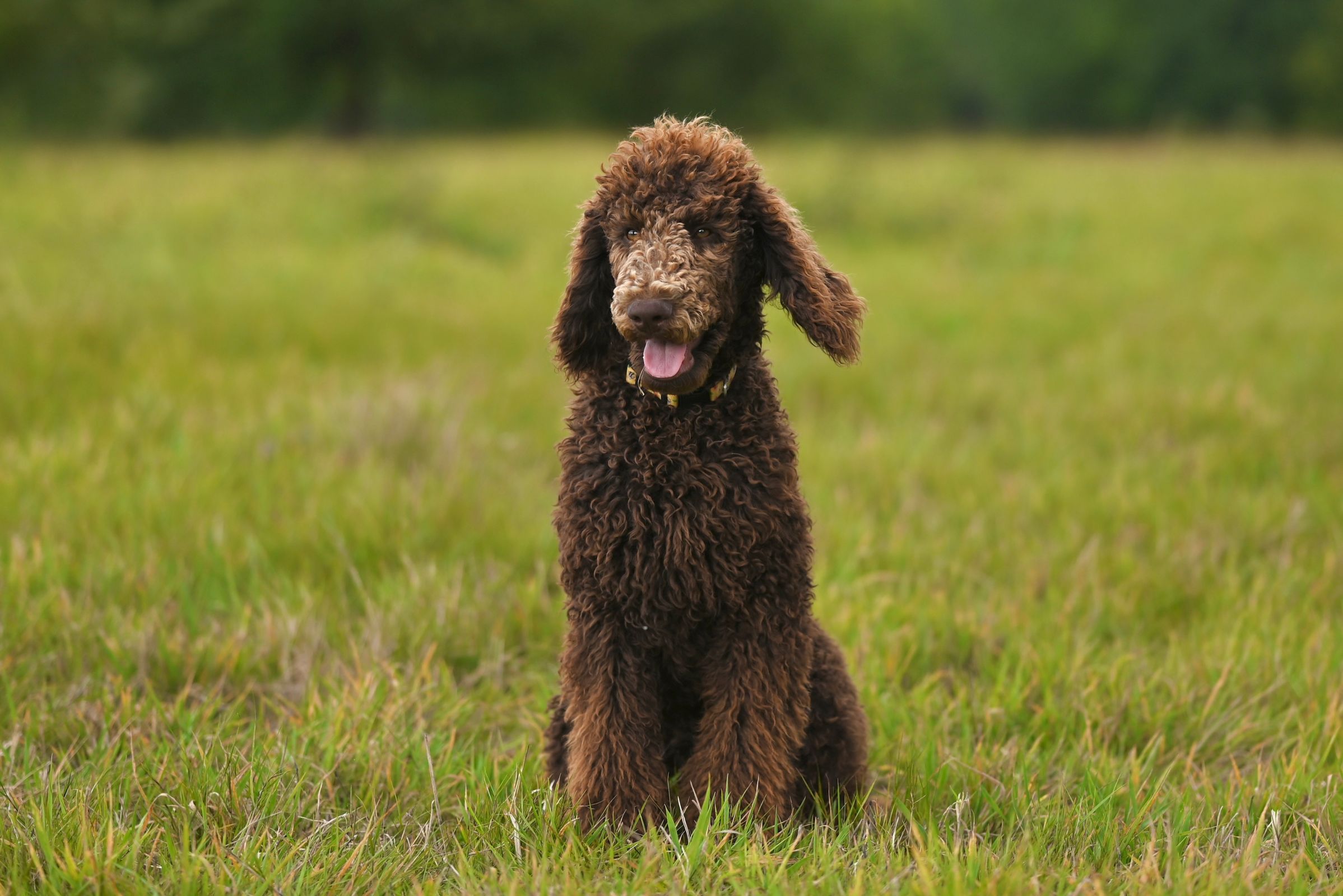
The breeder determines more about your Standard Poodle than anything else: the health of the parent dogs, the crucial first eight weeks of socialization, and the honesty about what you're bringing home. At this size, the health-testing bar is a notch higher than for the smaller Poodles: here's what to look for.
Deliberately choose a kennel-club-affiliated breeder
The most important choice you'll make is not which breeder, but which type of breeder: one affiliated with a recognized kennel club, or an anonymous seller with no traceable background. In the US that means the AKC, in the UK The Kennel Club, and in most other countries the national FCI member organization. A puppy with a valid, recognized pedigree can always be traced back to its parents, its breeder and the entire line behind it.
Where do you find breeders?
- The national Poodle breed club and your national kennel club publish lists of affiliated breeders.
- Working and sport-line breeders: if you want a Standard for retrieving, agility or similar work, clubs focused on those disciplines are a good additional lead.
- Word of mouth among Poodle owners.
- Not through classified-ad sites or import dealers.
Expect a waiting list of several months to a year at a good breeder.
The extra test that matters at this size: hips
Beyond the standard panel every Poodle breeder should run (patella evaluation, certified eye exam, DNA test for prcd-PRA), a responsible Standard Poodle breeder will also screen the parents' hips (via schemes such as OFA or PennHIP, depending on country), because hip dysplasia risk rises with size. A breeder who can't produce hip scores for a Standard litter is skipping a test that matters specifically at this size.
The 10 questions to ask every breeder
- 1. May I visit and see the mother (and the litter) at home?
- 2. Which health tests have the parents had? (Patella evaluation, certified eye exam, DNA test for prcd-PRA and hip screening, with certificates.)
- 3. How old is the mother and which litter is this for her?
- 4. How are the puppies socialized, and around what size household and space?
- 5. When can the puppies leave? (Never before 8 weeks.)
- 6. What comes with the puppy? (Paperwork, microchip, vaccinations, worming, purchase contract.)
- 7. Do you breed with registered pedigrees? And if not, why not?
- 8. What happens if it genuinely doesn't work out? (Good breeders always take their puppies back.)
- 9. How many litters do you have per year? (Few = good sign.)
- 10. Are the parents bred for companion, show or working lines? (Shapes energy level and drive.)
Red flags
- The mother "happens to be away", or you're only allowed to meet in a parking lot.
- Multiple breeds and always puppies available.
- No test certificates, especially missing hip scores for a large breed.
- Advertising with "teacup" or "micro" Standard: a contradiction in terms and a clear red flag.
- Pressure to decide or pay a deposit today.
- A price far below the normal range of $1,000-$3,000.
The other way around: a good breeder screens you
Don't be surprised if the breeder grills you about your living situation, activity level and experience with dogs: a Standard needs a genuinely active home. Prepare by reading up on the Standard Poodle's temperament and exercise needs, then you'll have that conversation with confidence.
Found a breeder?
Visit at least two breeders before you decide, take the question list with you (hip scores included), and trust your gut. See our full buying guide for the complete process: the same core principles apply across every Poodle size.
In short
- Choose a breeder affiliated with the AKC, The Kennel Club or your national FCI member club.
- Demand the full panel: patella, certified eye exam, prcd-PRA and hip screening, the extra test that matters at this size.
- A waiting list is a quality signal; constant availability is a red flag.
- A good breeder screens you too, and asks hard questions about your activity level and space.