Poodle Fireworks Anxiety: How to Prepare Your Dog for the Bangs
By The Poodle Guide editorial team · Updated on July 24, 2026
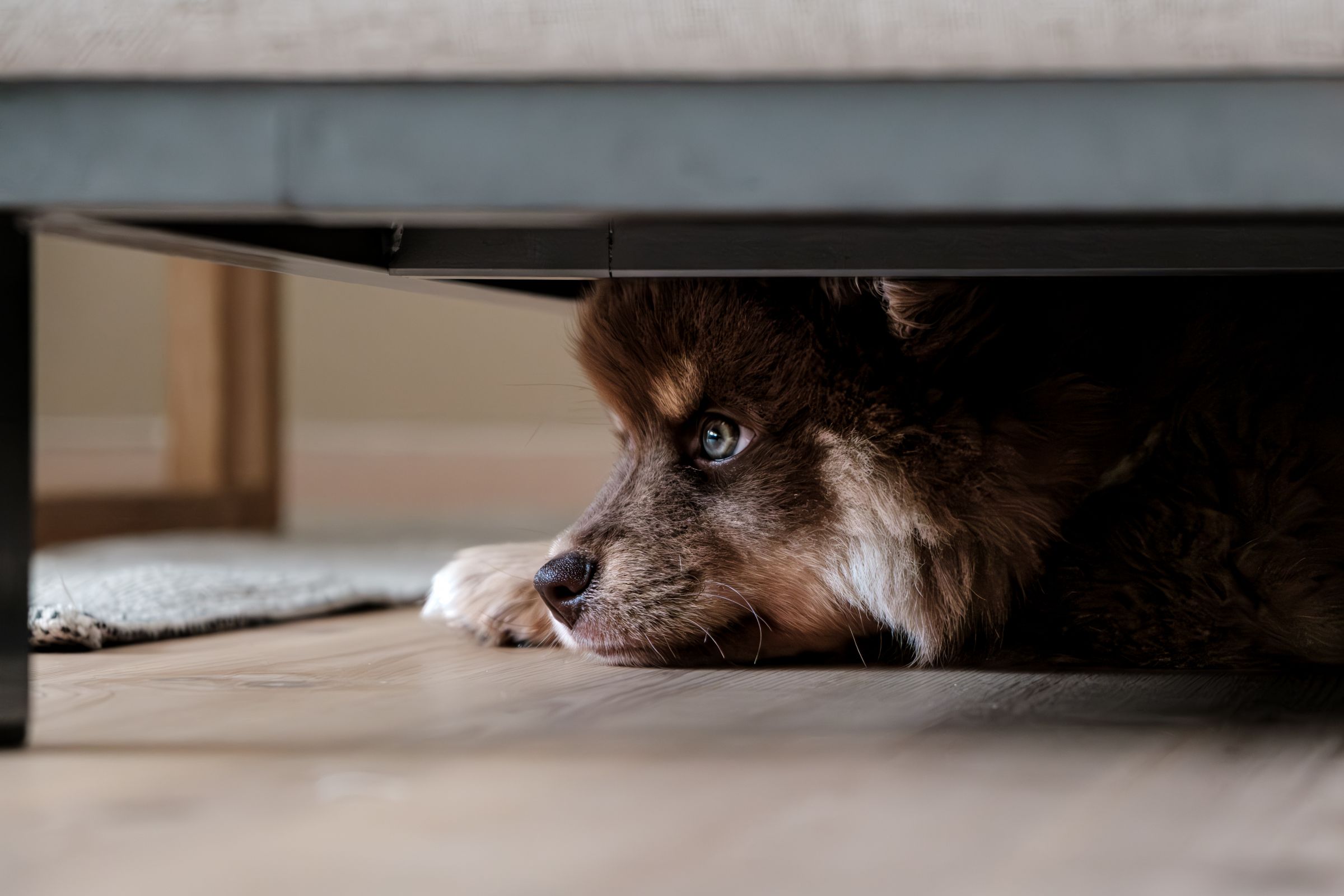
Poodle fireworks anxiety is one of the most common behavior complaints Poodle owners report, and it is no coincidence: this is a breed that notices everything. The same sensitivity that makes Poodles so attuned to your mood also means a barrage of bangs can genuinely overwhelm them. The good news: fireworks fear responds very well to preparation. The key is starting weeks ahead, not on the evening itself. Here is the full plan: sound training in advance, a smart setup for the night, which aids actually help, and when it is time to involve your vet.
Why Poodles are prone to fireworks anxiety
Poodles rank as the second most intelligent dog breed, and that intelligence comes packaged with high sensitivity to stimuli. A dog that registers every detail of its environment also registers every whistle, crackle and boom, and unlike thunder, fireworks come with no warning pressure drop the dog can learn to anticipate. Size plays a role too. A Toy Poodle at 2-4.5 kg (4.5-10 lbs) experiences a firework physically differently than a Standard: the sound pressure is the same, but a small dog has fewer places it feels safe and cools down faster if it ends up trembling in a corner. That said, noise anxiety occurs across all four sizes, from Toy to Standard: no size is immune, and no size is doomed to it either. Puppyhood exposure, genetics and, above all, how the first scary experiences were handled matter far more than centimeters at the shoulder.
Start weeks ahead: sound desensitization
The single most effective thing you can do costs nothing: structured sound training. The principle is simple: pair the scary sound, at a volume so low it does not scare, with things your Poodle loves, then build up gradually.
- Week 1-2: play a fireworks recording (freely available online) at barely audible volume during dinner, a game or a chew session. Your Poodle should notice the sound but stay relaxed.
- Week 3-4: raise the volume in small steps, always during something pleasant. If your dog tenses up, you went too fast: drop back two steps.
- Week 5 and on: vary it. Play the sounds at unexpected moments, from different speakers, at realistic volume. The goal is a dog that hears a bang and looks at you expecting cheese.
A quick-learning breed works in your favor here: a Poodle that needs fewer than five repetitions for a new command also builds new associations fast, in both directions. That is exactly why one badly handled New Year's Eve can set a fear that takes a year to undo, and why calm, structured exposure works so well. If the big date is only days away, skip the training (too late to desensitize properly) and put your energy into managing the night itself.
The night itself: your setup checklist
Whether it is New Year's Eve, the Fourth of July or Bonfire Night, the evening plan is the same:
- Walk early and long. Take the last walk well before dusk, on a leash and secure harness. A tired dog copes better.
- Feed early. An anxious dog often will not eat; get dinner in before the noise starts.
- Create a den, and let your dog choose it. Many Poodles pick their own spot: behind the sofa, under the bed, in an open crate draped with a blanket. Do not drag your dog out of its chosen hiding place; make that spot better with familiar bedding and a worn t-shirt of yours.
- Curtains closed, lights on, sound on. Flashes are as scary as bangs. A radio, TV or calm playlist masks the whistle-and-boom rhythm.
- Stay calm and present. Your Poodle mirrors you. Act as if nothing special is happening, and yes, you may comfort. Sitting with a frightened dog, calm strokes, quiet words: none of that "rewards fear." That myth deserves retirement.
- Never leave a noise-anxious dog home alone during peak fireworks. This is not a night for the usual alone-time routine.
- No garden trips off-leash, not even "just quickly." Check the fence, and keep a leash on for any toilet break during fireworks hours.
Aids that can help, and what to expect from them
Think of these as support, not solutions. They take the edge off for mildly worried dogs; they do not fix true phobia.
- Dog-appeasing pheromones (diffuser or collar): mimic the calming pheromone of a nursing mother. Start the diffuser a week or two ahead. Effects are subtle but real for some dogs.
- Pressure wraps (thundershirt-style): constant gentle pressure calms some dogs noticeably. Let your Poodle wear it on normal days first so the wrap itself does not become a predictor of scary nights. Mind the fit on a Toy: small sizes exist.
- Chewing and sniffing: a long-lasting chew or a snuffle mat during the noise gives the brain something else to do. Licking and chewing are self-soothing behaviors. A few rounds of easy brain games earlier in the evening help drain nervous energy, too.
- What not to use: anything sedating bought without veterinary advice. Some older sedatives immobilize the body while leaving the fear fully intact: the dog experiences the terror and cannot even move. Medication belongs in the next section.
When to involve your vet
There is a difference between an uneasy dog and a panicking one. Trembling that stops when the bangs stop, seeking your lap, mild pacing: unpleasant, but manageable with the steps above. Frantic escape attempts, hours of drooling and panting, self-injury, days of stress before or after: that is noise phobia, and it is a medical matter. A vet, or a veterinary behaviorist they refer you to, can build a proper behavior-modification plan and prescribe modern, short-acting anti-anxiety medication for the event itself. These drugs reduce fear rather than just movement, and for severely affected dogs they are the humane choice, not a last resort. Worried something else is going on with your dog? Our symptom checker can help you decide how urgent a vet visit is, though with panic-level anxiety, the answer is simply: call.
A word on puppies and seniors
Raising a puppy through its first fireworks season? Prevention beats cure: run the sound-desensitization program before the first big night, keep the evening cozy and unremarkable, and never take a puppy outside during the bangs. For senior Poodles the picture can shift the other way: some dogs that coped fine for a decade become anxious as hearing changes and resilience drops. Take new fear in an older dog seriously and mention it at the next check-up; it sits close to other age-related changes a vet will want to know about.
In short
- Poodles are a sensitive, fast-learning breed: fireworks anxiety is common, but responds very well to training started weeks in advance.
- Desensitize with recordings: soft first, louder over weeks, always paired with good things.
- On the night: early walk on-leash, den of the dog's own choosing, curtains closed, background sound, and a calm owner. Comforting is allowed: the "rewarding fear" idea is a myth.
- Pheromones, pressure wraps and chews support mild worry; true panic is a vet matter, and modern event medication is humane and effective.
- Never let any dog out off-leash around fireworks dates: escape is the biggest real danger of the season.