Agility for Poodles: Which Dog Sport Fits Your Poodle?
By The Poodle Guide editorial team · Updated on July 24, 2026
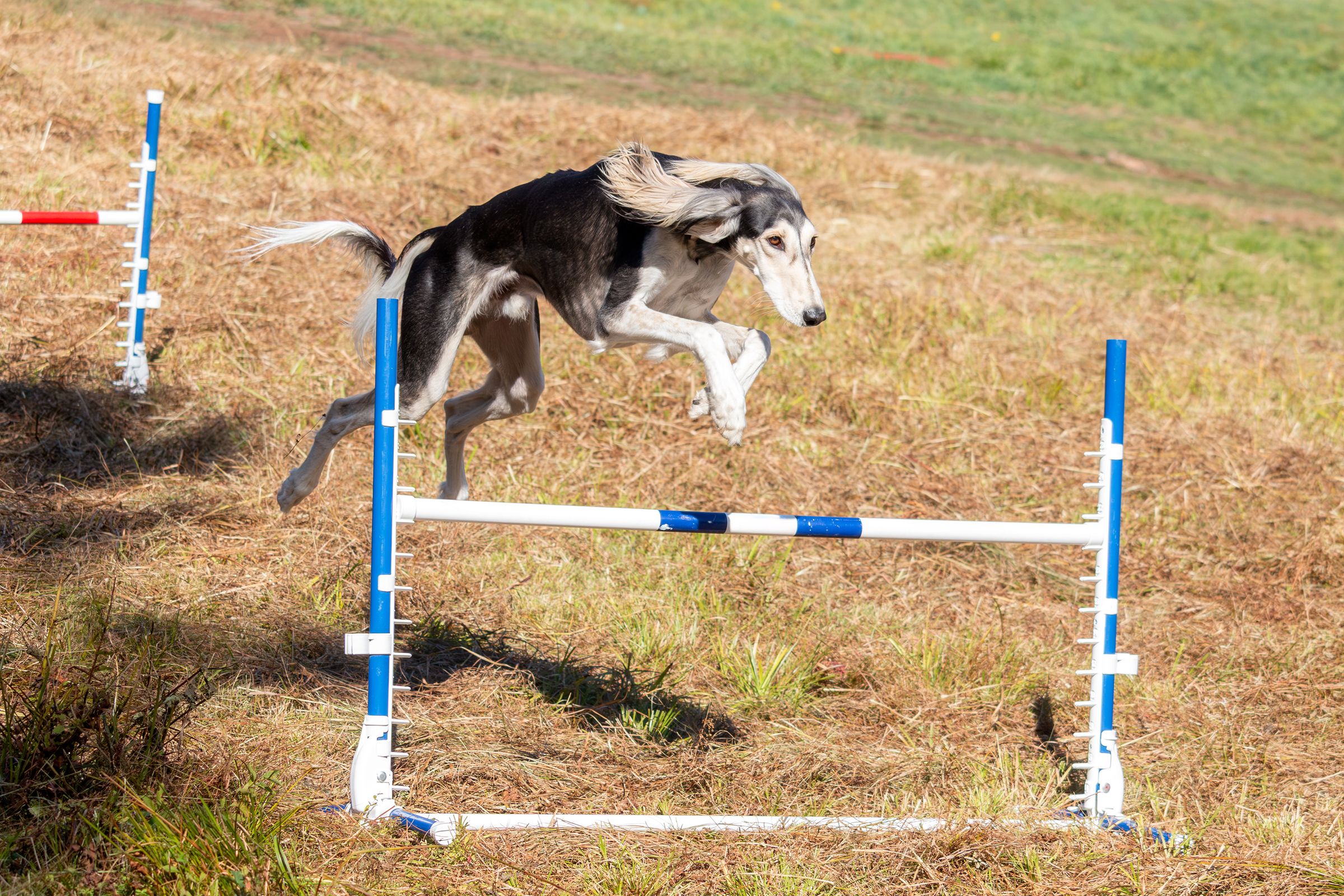
Agility for Poodles is close to a perfect match: take the second most intelligent breed, add genuine working drive and a body built for movement, and you get a dog that does not just tolerate sport but visibly loves it. But agility is only one option, and not automatically the best one for every size or every dog. This guide walks through the five most accessible dog sports: agility, obedience, hoopers, dog dancing and scent work, with what each involves, which Poodle it suits, and how to start without wrecking joints or fun.
Why Poodles excel at dog sports
The Poodle started as a working retriever, and the machinery is all still there: fast learning (new exercises typically stick in under five repetitions), strong focus on the handler, and real enthusiasm for having a job. That combination shows up at the top of many sports: Poodles of all sizes run agility finals, score in obedience championships and star in dog dancing routines. For the average owner the point is simpler: a sport gives that busy Poodle brain a structured outlet, deepens your teamwork, and adds a social routine for both ends of the leash. It picks up where living-room brain games stop.
First, the safety rule that overrides everything
No jumping before the body is fully grown. Growth plates in the leg bones close at roughly 10-12 months in small breeds and around 15-18 months in Standards; repetitive jumping before then can cause lasting damage. Until that point, everything valuable is on the flat: attention games, tunnels at ground level, cavaletti walking, body-awareness work. A second Poodle-specific note: in Toy and Miniature Poodles, patellar luxation (a slipping kneecap) is the breed's best-known orthopedic issue. Have the knees checked before starting a jumping sport, keep weight strictly in check, and know that a jump-free alternative exists (hoopers, below). Standards bring their own homework: build fitness gradually and avoid intense exercise right after meals, given large-breed bloat risk.
Agility: the classic course sport
What it is: you steer your dog through a numbered obstacle course of hurdles, tunnels, weave poles, A-frame and dog walk, against the clock, using only voice and body language.
For whom: fit, fully grown dogs of every size. This is the crucial part for Poodle owners: agility is organized in height classes, so a Toy Poodle jumps low hurdles and never has to clear Standard-sized fences. All four Poodle sizes compete, each in its own class, and small dogs are often spectacularly fast relative to their stride.
How to start: find a club with a beginners' course. The first months are ground work and steering skills, so expect the actual obstacles to come slowly, and be glad of it. Good clubs measure your dog, set training heights below competition height, and refuse to jump dogs that are too young.
Obedience: precision teamwork
What it is: heelwork, positions, retrieves, send-aways and stays, performed with accuracy and attention. Less spectacle than agility, far more finesse.
For whom: every size, every age, including dogs that should not jump. Obedience rewards exactly what Poodles have in surplus: precision, focus and love of getting it right. Owners who enjoy training for its own sake tend to fall hard for this sport.
How to start: any good positive-reinforcement training school lays the foundation; from there, clubs offer dedicated obedience classes leading to entry-level trials.
Hoopers: the joint-friendly course sport
What it is: a course of hoops (arches the dog runs through at ground level), barrels and tunnels, with no jumps, no tight turns, no contact obstacles. The handler steers increasingly from a distance.
For whom: this deserves special attention from Poodle owners. Hoopers is ideal for Toy and Miniature Poodles with patella concerns, for seniors who still want a job, for youngsters not yet cleared to jump, and honestly for any dog: the sport is fast, flowing and much kinder to bodies. If you love the idea of agility but the vet advises against jumping, this is your sport.
How to start: hoopers is growing quickly and many agility clubs now run hoopers groups. Distance steering is the real skill, and expect lots of rewarding fun building it.
Dog dancing and scent work: the two underrated ones
Dog dancing (freestyle / heelwork to music): choreographed routines built from tricks such as spins, weaves through legs, backing up and paw work, set to music. It sounds niche; it is actually the most creative training outlet there is, entirely joint-adjustable, doable in your living room, and Poodles are famous for it. The breed's show-off streak, part of the classic Poodle character, finally gets an official stage.
Scent work (nosework): the dog searches boxes, rooms, vehicles or outdoor areas for a hidden target odor and indicates the find. One dog works at a time, at its own tempo, which makes it the rare sport that suits shy dogs, reactive dogs, seniors and puppies alike. Minute for minute it is among the most tiring things a dog can do, and every Poodle nose qualifies.
How to choose and begin
- Match the sport to the dog in front of you: bouncy and fast → agility or hoopers; precise and thoughtful → obedience; trick-lover → dog dancing; nose-down-on-every-walk → scent work.
- Health check first: knees for the small sizes, general fitness for all: a quick vet once-over before starting is cheap insurance.
- Find a club that trains positively and asks your dog's age before letting it jump. That question is the quality mark.
- Budget-wise, dog sport is friendly: club membership and basic gear are modest costs in dollars, pounds or euros; the investment is time, roughly one training evening a week plus short home sessions.
- Skip any club that jumps young dogs or trains through fear or force. A Poodle worked harshly shuts down, and there is never a need.
- Do not chase podiums. Fun over performance, always. The moment sport stresses either of you, scale back; plenty of teams train for years without ever competing, and lose nothing.
In short
- Poodles' intelligence and working drive make them naturals at dog sports, every size from Toy to Standard.
- Hard rule: no jumping before the body is fully grown (±10-12 months for small sizes, later for Standards).
- Agility uses height classes, so small Poodles jump low; get Toy and Miniature knees checked for patella issues first.
- Hoopers is the joint-friendly course sport, ideal for Toys, seniors and jump-restricted dogs.
- Obedience, dog dancing and scent work fit every size and age; scent work is the most accessible of all.
- Choose fun over performance and a positive club over a winning one.