The Different Poodle Sizes Explained
By The Poodle Guide editorial team · Updated on September 24, 2026
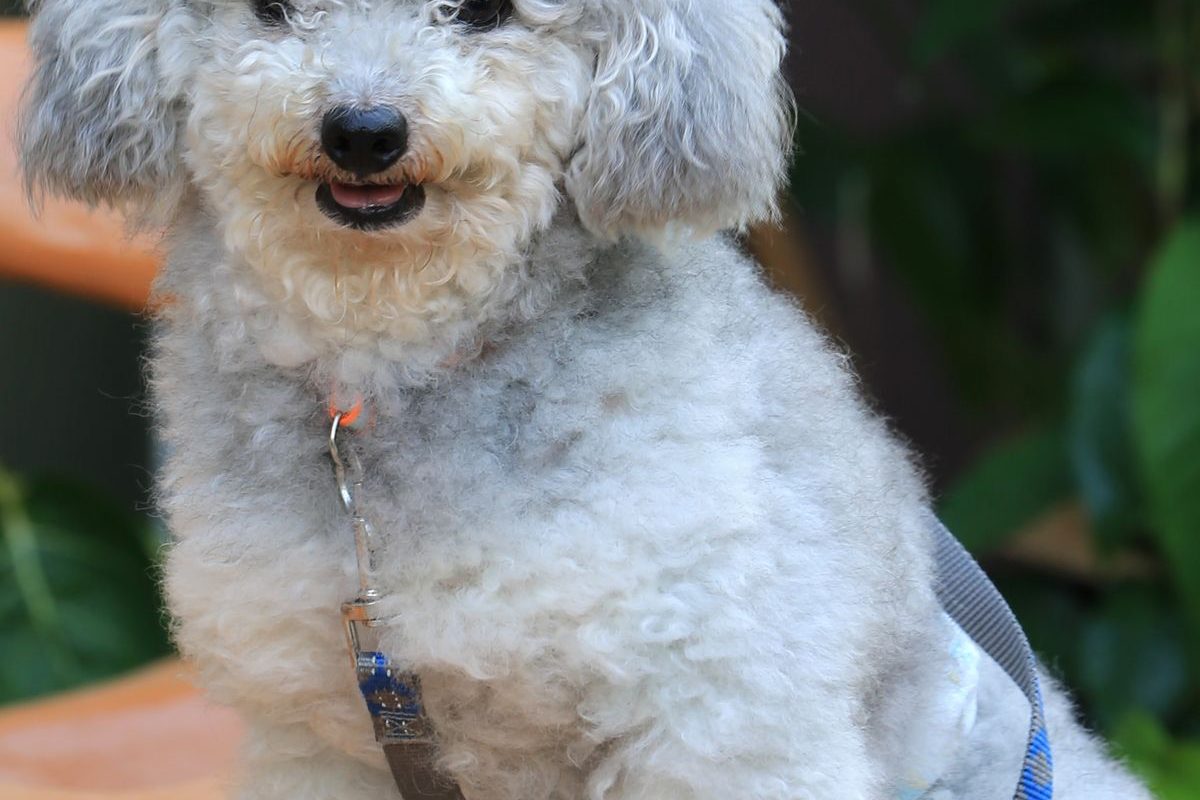
Short answer: Poodles are one breed in several sizes. The FCI, the international canine federation used across most of Europe and much of the world, recognizes four: the Standard (45-60 cm), the Medium or Moyen (35-45 cm), the Miniature (28-35 cm) and the Toy (24-28 cm). The American Kennel Club and the UK Kennel Club recognize three. Coat, temperament and intelligence are the same across the sizes; weight, lifespan, exercise needs and fragility are not. Below you'll find the sizes side by side, how the three big kennel clubs differ, and which size fits which home.
The four sizes at a glance
| Size (FCI) | Height at the shoulder | Weight | Life expectancy | Exercise per day |
|---|---|---|---|---|
| Standard | 45-60 cm (18-24 in) | 20-30 kg (44-66 lbs) | 12-14 years | 1.5-2 hours |
| Medium (Moyen) | 35-45 cm (14-18 in) | 9-13 kg (20-29 lbs) | 13-15 years | over 1 hour |
| Miniature | 28-35 cm (11-14 in) | 4-7 kg (9-15 lbs) | 14-16 years | about 1 hour |
| Toy | 24-28 cm (9.5-11 in) | 2-4.5 kg (4.5-10 lbs) | 14-16 years, up to 18 | 30-60 minutes |
Height at the withers (the highest point of the shoulders) is the only measurement that officially decides a Poodle's size class; weight is a guide. The FCI standard allows the Standard Poodle a tolerance of 2 cm above 60 cm and the Toy a tolerance of 1 cm below 24 cm, with 25 cm as the ideal Toy. The exercise figures are a guideline for a healthy adult dog, split over several walks plus play and training.
One breed, four sizes
In the FCI system the Poodle is a single breed: standard no. 172, the Caniche, with France as its country of origin, classified in Group 9 (companion and toy dogs). The current standard has been valid since August 2024. According to that standard, the Poodle descends from the Barbet, a water dog, and was originally used for wildfowling. The French name "caniche" comes from "cane", a female duck, while in other countries the breed name refers to splashing in water. That history explains the dense, water-resistant curly coat and the love of retrieving and swimming that many Poodles still have.
Because it is one breed, every size is judged against the same standard for build, movement, temperament and coat. The standard spells it out: the Miniature must look like a reduced Medium and the Toy like a reduced Miniature, without any sign of dwarfism. At shows, the sizes are judged in separate classes.
The four sizes in brief
Standard Poodle
The original form of the breed: an athletic, capable dog that loves to swim, run and work. Calmer indoors than many people expect, but it needs space, long walks and an owner with time. Food, grooming and vet bills scale with its size, and it lives a little shorter than the small sizes. The full portrait is on our Standard Poodle page.
Medium Poodle (Moyen)
The in-between size, recognized by the FCI but not by the AKC or the UK Kennel Club. Sturdy enough for long hikes and boisterous children, compact enough for a normal house. Outside mainland Europe it is rare, so finding a breeder can take patience. See the Medium Poodle guide.
Miniature Poodle
A small dog that can take a bit more than a Toy: handy, cheerful and sociable, and a popular choice for families who want a small Poodle but worry that a Toy is too fragile. More in our Miniature Poodle portrait.
Toy Poodle
The smallest size, and the youngest: it was only bred deliberately in the twentieth century. It has the same clever, active temperament as its larger relatives, so it is not a lapdog on batteries. Its size makes it more vulnerable: to knee problems (patellar luxation), a fragile windpipe (tracheal collapse), dental problems, cold and accidents such as a fall from the sofa. A good breeder screens the parents for knees, eyes and the prcd-PRA DNA test; our guide to Poodle eye diseases explains what that eye check looks for. The breed's long life is covered in how long Toy Poodles live.
FCI, AKC and UK Kennel Club: three rulebooks
This is where international Poodle talk gets confusing. Not every country follows the FCI.
| Organization | Sizes | Size rules |
|---|---|---|
| FCI (most of Europe and many other countries) | 4 | Toy 24-28 cm, Miniature 28-35 cm, Medium 35-45 cm, Standard 45-60 cm |
| American Kennel Club (United States) | 3 | Toy 10 inches or under, Miniature over 10 and up to 15 inches, Standard over 15 inches |
| The Kennel Club (United Kingdom) | 3 | Toy under 28 cm (11 in), Miniature 28-38 cm (11-15 in), Standard over 38 cm (15 in) |
So an American Toy is at most about 25 cm and on average a little smaller than a European Toy. A European Medium of 35-45 cm would be registered as a Miniature or a small Standard in the US or UK. If you compare breeder listings or articles from different countries, always check which system they use: a dog sold as a "Toy" under one club's rules can fall just outside the Toy range under another's.
What is not a Poodle size
- Teacup, micro or tiny toy. Not a recognized size under any of the three clubs. These are sales terms for dogs deliberately bred below the standard, often from the smallest and weakest animals, and they come with more health problems. No reputable breeder sells them.
- Mixes. Maltipoo, Cavapoo, Cockapoo and Labradoodle are crosses, not Poodle sizes and not recognized breeds. Their size and coat are less predictable; see our comparison of small Poodle mixes.
- Colors. An apricot, black or white Poodle is not a separate type. Color is independent of size.
What every size has in common
- The same coat. A single-layer curly coat without an undercoat that barely sheds but does mat. Every size needs brushing several times a week and a full groom every 6-8 weeks.
- The same brain. Stanley Coren ranked the Poodle second of all breeds for working intelligence, behind the Border Collie. That makes every size easy to train and quick to get bored; see how smart Poodles are.
- The same sensitivity. Poodles read your mood closely and do best with reward-based training, not punishment.
- The same allergy reality. All sizes shed little, but no Poodle is allergen-free. A Dutch study of Can f 1, the main dog allergen, found no evidence that so-called hypoallergenic breeds leave less allergen in the home (Vredegoor and colleagues, 2012). If someone in your household is allergic, spend time with the dog before you decide.
Which Poodle size is right for you?
| Your situation | Logical choice | Why |
|---|---|---|
| Sporty, lots of time, house with space | Standard or Medium | built for distance and wants a job |
| Family with young children | Medium or Miniature | playful and sturdier than a Toy; see Poodles and children |
| Apartment or city life | Toy or Miniature | small and easy to take along |
| Older or less mobile owner | Toy | light, little strength needed, long-lived |
| Often on the move by car or train | Toy | fits in a carrier and is welcome almost anywhere |
A Toy is not automatically the easy option because it is small. It needs the same exercise, mental work and company as a Standard, and even an adult can only be left alone for 4-5 hours at most. Costs also differ by size, from food to grooming to surgery; the full comparison is in what a Poodle costs, size by size. Once you have chosen, how to recognize a good breeder is the next step.
Sources and checks
Sizes, origin and classification come from the FCI standard no. 172 (Poodle), valid since 1 August 2024. The American sizes come from the AKC Poodle standard and the British ones from the Kennel Club breed standards for the Standard and Miniature Poodle. The allergy study is Vredegoor and colleagues, Can f 1 levels in hair and homes of different dog breeds, Journal of Allergy and Clinical Immunology (2012). Weight, lifespan and exercise are averages for healthy dogs and vary per individual.
In short
- One breed, four FCI sizes: Standard, Medium, Miniature and Toy, which differ only in height at the shoulder.
- The AKC and UK Kennel Club recognize three sizes and draw the lines differently; there is no Medium.
- Toy Poodle: 24-28 cm, 2-4.5 kg, 14-16 years with some reaching 18.
- Teacups, mixes and colors are not Poodle sizes.
- Coat, intelligence and sensitivity are the same in every size, and no size is allergen-free.