Buying a Toy Poodle: What to Look Out For
By The Poodle Guide editorial team · Updated on July 20, 2026
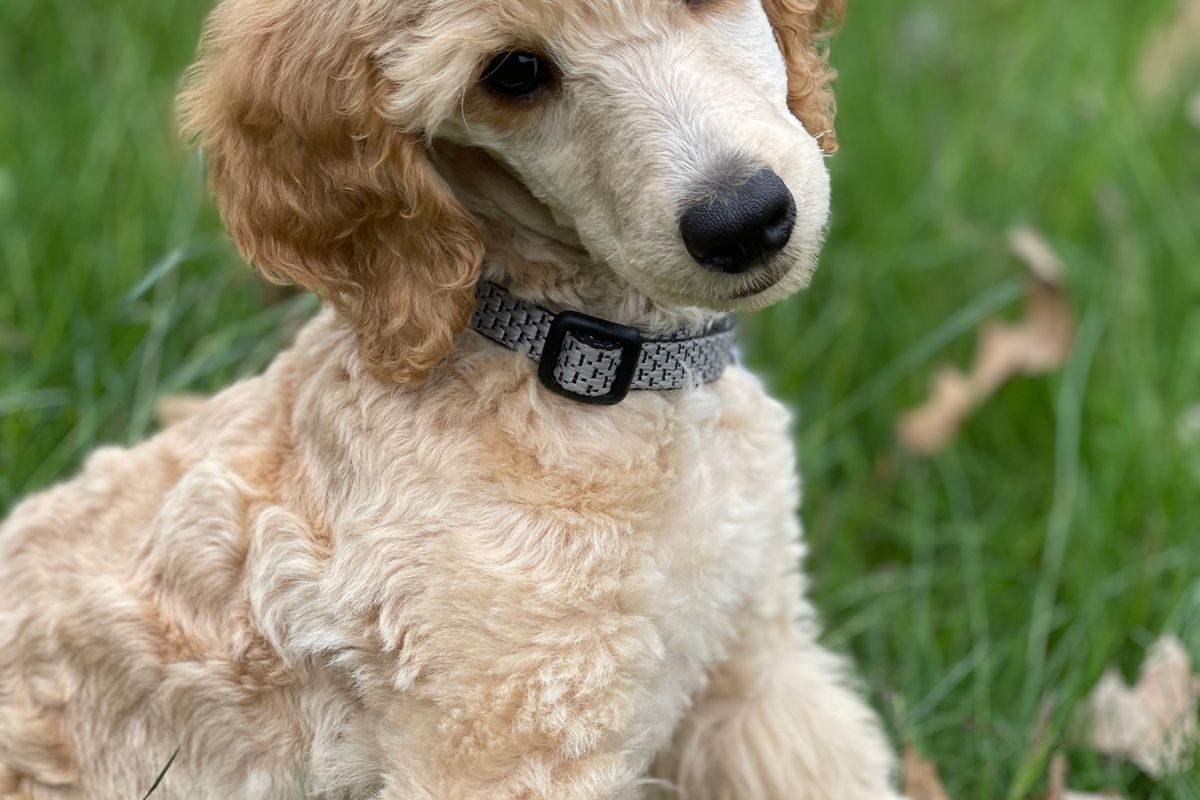
Buying a Toy Poodle is a decision for the next fifteen years: Toy Poodles live longer than almost any other breed. And precisely because demand for this little curly companion is enormous, so is the trade around it: alongside good breeders there are puppy mills and import dealers riding on that popularity. This guide helps you tell them apart. Still unsure whether the breed suits you? Start with the honest downsides of a Toy Poodle.
Where can you buy a Toy Poodle?
- From a recognized breeder (recommended): a breeder affiliated with your national kennel club, the AKC in the US, The Kennel Club in the UK, or your country's FCI member organization, who health-tests the parents and lets you meet the mother. Expect a waiting list of several months; that's a good sign. See also our guide to recognizing a good Toy Poodle breeder.
- From a private home: sometimes fine (a one-off family litter), but you miss the guarantees of health testing. Use the same checklist you would with a breeder, and be twice as alert.
- Through a shelter or Poodle rescue: adult Toy Poodles sometimes need a new home. You already know exactly what kind of dog you're getting: an underrated option.
- Classified-ad websites: the biggest risk. This is where most puppy-mill and import puppies end up: taken from their mother too young, fragile health, dubious paperwork. A "Toy Poodle" advertised for a few hundred dollars is almost certainly one of them.
What does a Toy Poodle cost?
From a serious breeder, a Toy Poodle puppy typically costs $1,000-$3,000 / £800-£2,500 / €1,000-€3,000, depending on your country, with fully health-tested, pedigreed litters usually at the upper end. A price well below that should worry you, not delight you. The full cost breakdown, including monthly expenses, is in our article on the price of a Toy Poodle.
The checklist: how to recognize a good purchase
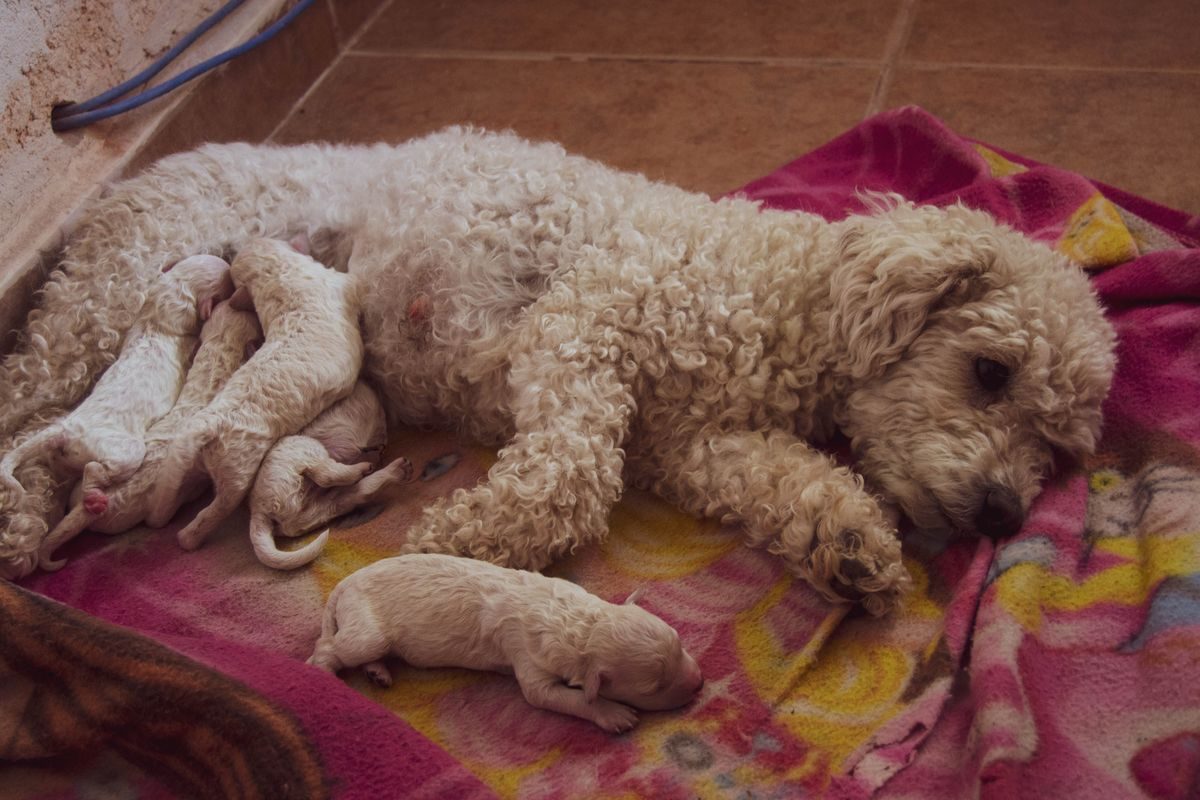
- You can visit and see the puppy with its mother in a home environment.
- The breeder can show health test results: a patella evaluation (knees), a DNA test for prcd-PRA (a hereditary eye disease) and a current eye exam by a certified veterinary ophthalmologist, for both parents.
- The puppy leaves no earlier than 8 weeks old: in most countries puppies must stay with their mother for at least 8 weeks, and good breeders often keep them longer; check your national rules, and comes microchipped, vaccinated and wormed, with the required paperwork.
- You get a written purchase contract, and the breeder asks you questions too: good breeders screen buyers.
- The breeder has one or two litters at a time, not a rolling supply of multiple breeds.
- "The mother happens to be out", puppies in a shed or garage, several breeds for sale, pressure to decide today, cash only: walk away.
Puppy or adult Toy Poodle?
A puppy grows up shaped by your family, but demands months of intensive house training and basic obedience work. An adult Toy Poodle (through rescue or rehoming) skips that phase and shows you straight away what temperament you're bringing home. Either way, read up on the Toy Poodle temperament first, so you know what to expect.
Ready to start looking?
Begin with the breed club and your national kennel club for lists of affiliated breeders, plan visits to at least two breeders, and take the checklist above with you. And remember the golden rule of buying a Toy Poodle: a good puppy is rarely found fast, and a fast puppy is rarely good.
In short
- Buy from a breeder affiliated with the AKC, The Kennel Club or an FCI member club, or consider a rescue.
- Expect $1,000-$3,000 (£800-£2,500); a much cheaper puppy is a red flag, not a deal.
- Always see the mother, ask for health test certificates, and never take a puppy home before 8 weeks.
- Avoid classified-ad sites: they are the main outlet for puppy mills and shady imports.